
Loading...
Serving Austin, MN and surrounding areas. (507) 509-6204
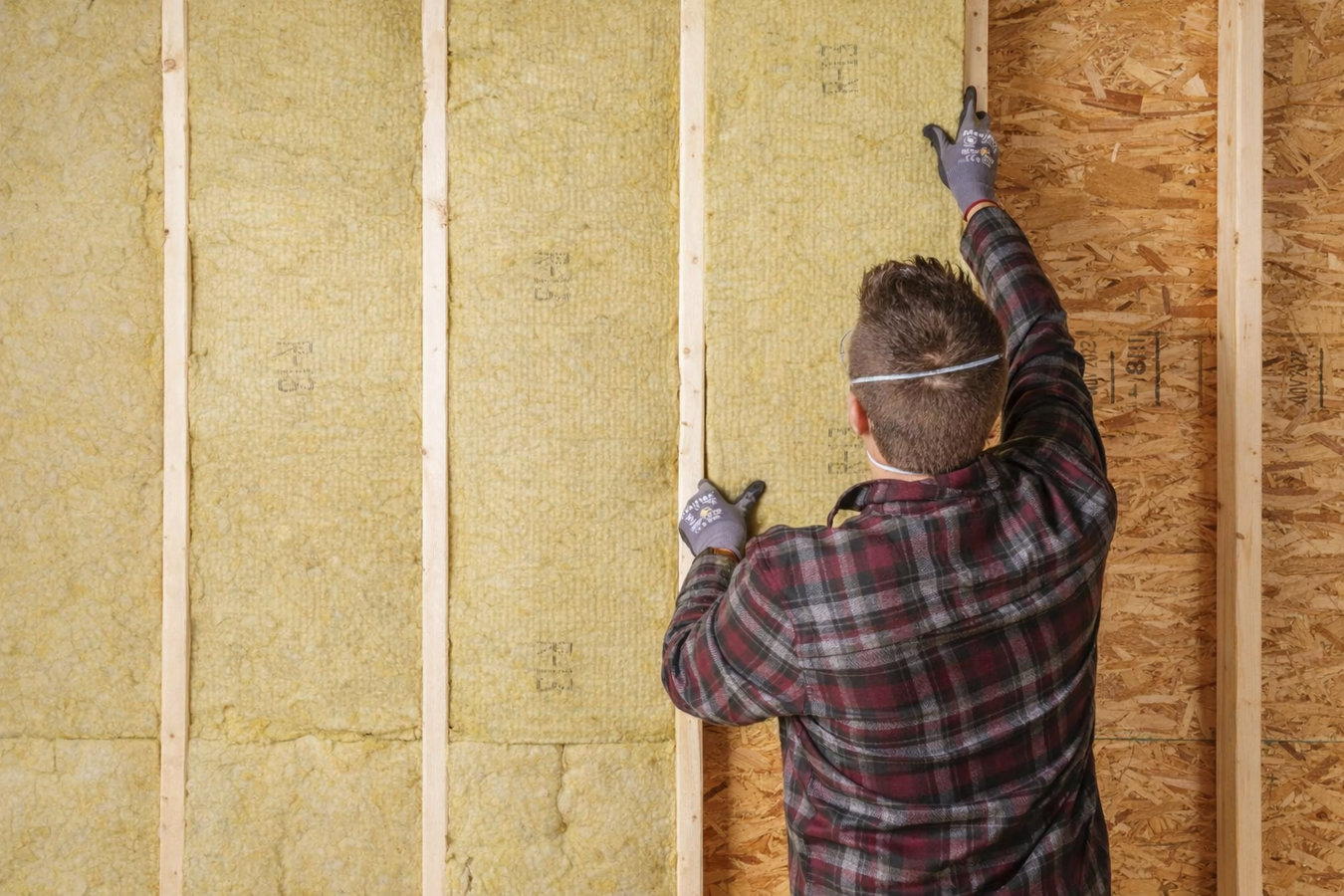
Older Austin homes lose heat through walls that were never insulated. We fill those cavities fast - no gut renovation, no mess left behind.
Wall insulation in Austin, MN fills empty wall cavities to stop heat from escaping, most jobs take one to two days using a drill-and-fill method that leaves your walls looking nearly untouched.
If you have an Austin home built before 1980, there is a real chance your exterior walls have no insulation at all. Buildings from that era were put up when energy was cheap and codes did not require it. Every winter, heat pours out through those bare cavities and your furnace runs almost non-stop to keep up.
Wall insulation works best when combined with air sealing services to close the gaps that let drafts through. Together, they address both the slow heat loss through building materials and the faster loss through cracks and openings.
If your gas or electric bill jumps sharply from October through March and stays high even at a modest thermostat setting, your walls may be letting heat escape faster than your furnace can replace it. In Austin, where temperatures stay below freezing for weeks at a stretch, under-insulated walls force your heating system to run almost continuously.
Hold your hand near an electrical outlet on an exterior wall on a cold January day. If you feel a draft or the wall feels noticeably cold to the touch, that is a sign the wall cavity has little or no insulation. This is especially common in Austin homes built before 1980, where wall insulation was rarely part of original construction.
If one or two rooms - often those on the north or west side of the house - never seem to warm up no matter how high you set the heat, the walls in those rooms may be under-insulated. Austin's open agricultural surroundings mean wind hits exposed walls hard, and thin or absent insulation makes those rooms feel like a different house entirely.
When warm indoor air meets a very cold wall surface, moisture can condense and in extreme cold it can even frost over. If you've seen this on your walls or noticed paint bubbling near exterior walls, cold is penetrating deeply into your wall assembly. Left unaddressed, this can lead to moisture damage inside the wall over time.
Our most common approach for existing Austin homes is dense-pack blown-in insulation. We drill small holes in your exterior siding or interior drywall, blow insulation into each wall cavity, and patch the holes so they blend in. It is the least disruptive option and works well in the wood-frame houses common throughout Austin's older neighborhoods. For homeowners who also want to pair air sealing services with their wall work, we can handle both in a single visit.
For walls being opened during a renovation, batt insulation is a practical and cost-effective choice. Spray foam is the premium option - it fills cavities and seals air gaps in one step, which matters a lot in Austin's windy, open surroundings. If you are also thinking about blown-in insulation for your attic or other areas, we can assess your whole home and prioritize where the biggest gains are.
Best for existing walls in older Austin homes - minimal holes, no gut renovation required.
Ideal for renovations or homes with significant air infiltration problems, combining insulation and sealing.
A cost-effective fit for open walls during remodels, where full access makes installation straightforward.
Austin sits in Mower County in southeastern Minnesota, where average January lows regularly drop into the single digits and wind chills push well below zero. That kind of sustained cold puts enormous pressure on under-insulated walls. Austin is also surrounded by open farmland, which means wind moves across the area with little to slow it down. Cold spots near exterior walls and drafts around outlets are not just annoyances here - they are signs that your walls are doing almost nothing to hold heat in. Homeowners near Northfield face similar conditions and benefit from the same dense-pack approach we use across this part of Minnesota.
A large share of Austin's housing stock dates to the mid-20th century - a period when wall insulation was rarely included in new construction. If your home was built in the 1940s through 1970s, the exterior walls are very likely doing almost nothing to hold heat in. Decades of Minnesota freeze-thaw cycles have also widened any small gaps that existed from the start. Homeowners throughout Albert Lea and the surrounding region deal with the same older housing stock and the same cold-weather performance gaps we see in Austin every winter.
We ask a few basic questions about your home - its age, wall type, and what you have been noticing. You do not need to know anything technical. Expect a reply within one business day.
A contractor walks through your home before giving you a price. We look at exterior walls and may use a thermal camera to check what is inside. This visit takes 30 to 60 minutes and is your chance to ask anything.
We drill small holes, insert a hose, and fill each cavity with insulation. The holes are then patched to match your siding or drywall. Most single-family homes are done in one to two days.
Before we leave, we walk you through what was done. We document the materials used so you have what you need for any federal tax credit. You should feel the difference in comfort after the first cold snap.
Free estimate. No obligation. We visit your home before we quote.
(507) 509-6204Most of the homes we work on in Austin were built between the 1940s and 1970s. We know the wall construction methods, the materials used, and the problems that come with age. That means fewer surprises once the work starts.
Once the holes are patched, you cannot see inside the wall. We use thermal imaging to verify that the cavities are filled correctly before we close up and leave. You get proof of coverage, not just a verbal confirmation.
The Building Performance Institute sets the national standard for home energy work. Our approach follows BPI best practices, which means we look at your home as a system - not just the wall in front of us. Learn more at . bpi.org
We give you a clear written quote before anyone touches your walls. The price in the quote is the price you pay. No unexpected additions once the crew is already there.
Every one of these points comes down to the same thing: you can trust that the work was done right. That matters more when you cannot see inside your walls.
For guidance on insulation types and energy savings, see the U.S. Department of Energy insulation guide and the ENERGY STAR home sealing resources.
Close the gaps and cracks that let cold air in and conditioned air out - a natural complement to wall insulation.
Learn MoreLoose-fill insulation blown into attics and wall cavities to bring older Austin homes up to a comfortable standard.
Learn MoreAustin winters don't ease up - lock in your installation date before crews fill up for the season.