
Loading...
Serving Austin, MN and surrounding areas. (507) 509-6204
Premier Austin Insulation is an Insulation Contractor serving Mankato, MN with attic insulation, blown-in insulation, commercial insulation, and spray foam - and we have been doing insulation work in this part of southern Minnesota since 2017. We know the older housing stock here, what Mankato winters do to homes built before modern energy codes, and exactly where heat escapes in the Victorian, Craftsman, and ranch-style houses common throughout the city.
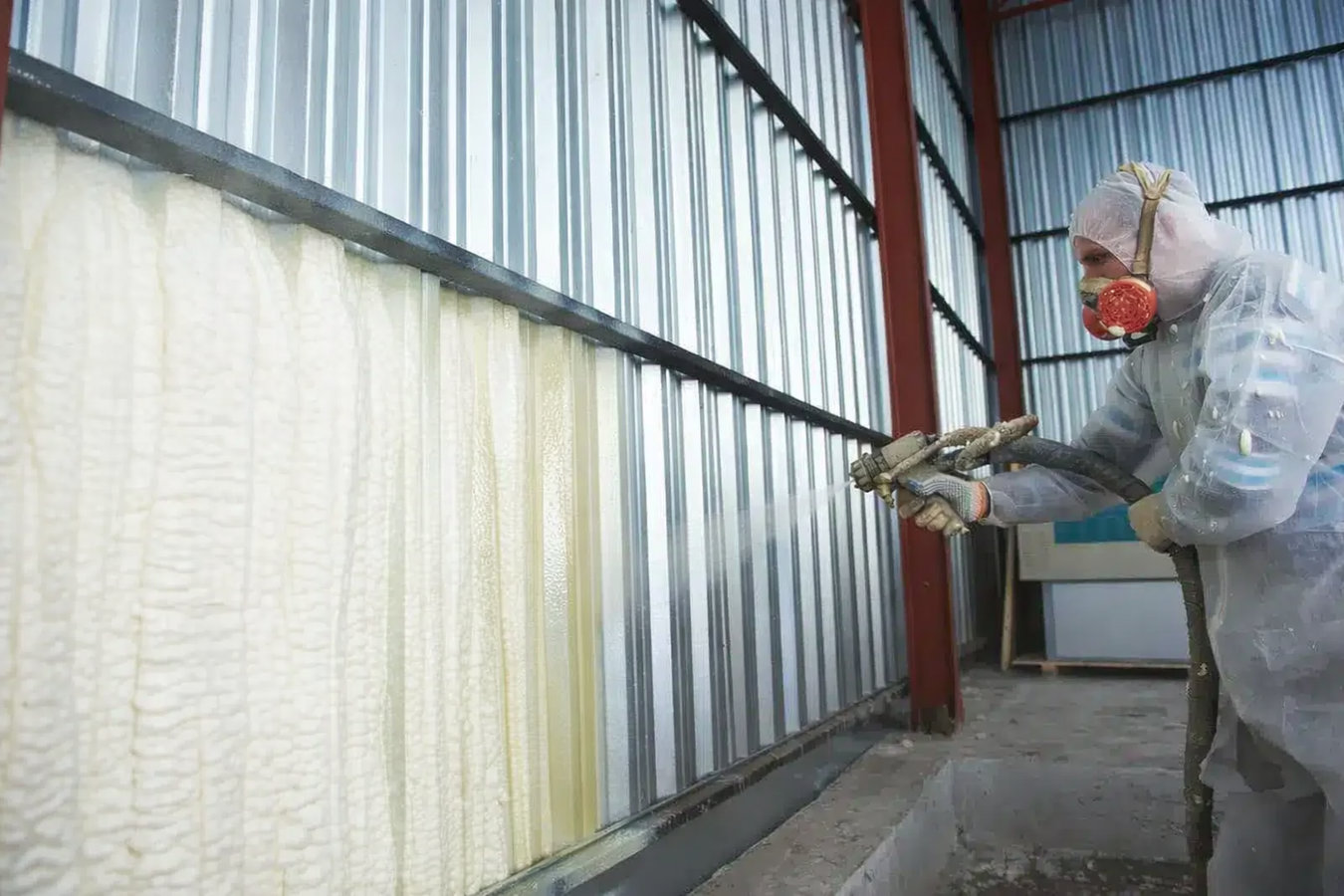
Mankato is the regional hub for south-central Minnesota, and its commercial building stock ranges from century-old downtown storefronts to newer industrial facilities. Many of these buildings were constructed before current energy codes and lose significant heat through roofs and walls every winter. Find out what commercial insulation services can do to bring an older Mankato commercial building up to a standard that keeps heating and cooling costs manageable.
Mankato averages around 40 inches of snow per year, and an attic with old or settled insulation turns that snow into ice dams that back up under shingles and force water into ceilings. The Victorian and Craftsman homes near downtown Mankato are particularly prone to this - their steep rooflines and original wood construction lose heat quickly without adequate attic coverage. Bringing depth up to the level recommended for this climate zone stops the problem at its source.
Blown-in insulation is a practical fit for Mankato homes because it installs without opening walls or ceilings and fills the irregular spaces that older wood-frame construction creates. Homes in Mankato built before 1960 often have settling or compressed insulation in the attic that no longer meets current standards - blown-in work can correct that in a single visit without disturbing finished living spaces.
The postwar ranch and split-level homes that make up a large share of Mankato's mid-century neighborhoods frequently have uninsulated rim joists - a gap right at the foundation line where cold air enters freely every winter. Spray foam applied to rim joists and crawl space walls bonds to the framing permanently, insulating and sealing in a single step in a way that other materials cannot match.
Mankato sits at the junction of two rivers, and homes in the lower-lying neighborhoods can see moisture in basements every spring when snowmelt and rain arrive at once. Insulating basement walls and rim joists reduces cold transfer from those walls to the living space above while also helping manage the moisture dynamic that makes uninsulated concrete such a problem in this climate.
Frost in Mankato can reach four to five feet deep in a hard winter, and crawl spaces in older homes here are some of the coldest spots under the building. An uninsulated crawl space means cold floors in the rooms above it and wood framing that absorbs moisture from the ground over time. Proper insulation paired with vapor control makes a real difference in how that lower level of the house performs through a southern Minnesota winter.
Mankato sits at the confluence of the Minnesota River and the Blue Earth River in Blue Earth County, and about half of the city's housing units were built before 1970. The oldest neighborhoods near downtown include Victorian-era homes and Craftsman bungalows from the early 1900s, while the mid-century corridors are filled with ranch and split-level houses that are now 50 to 70 years old. These homes were insulated to the standards of their era, which means they typically have thin attic coverage, uninsulated rim joists, and basement walls that act as cold sinks from November through March. Mankato winters are cold enough - temperatures regularly fall below zero and frost can reach four to five feet - that the gap between what these homes have and what they need shows up plainly on heating bills every year.
Beyond residential stock, Mankato's role as a regional commercial hub means there are older commercial and industrial buildings throughout the city that face the same energy-efficiency challenges. The repeated freeze-thaw cycles of a southern Minnesota winter and spring work on building materials the same way they work on concrete: gaps open, mortar deteriorates, and paths for air movement develop where none existed before. Homes near the river lowlands also have the added pressure of spring moisture when snowmelt arrives quickly. Insulation work in Mankato has to account for all of this - the age of the building, the moisture dynamics of the location, and the specific cold patterns of this climate zone.
Our crew works throughout Mankato regularly, and we understand the local conditions that affect insulation work here. Mankato is the largest city in southern Minnesota and draws homeowners and business owners from a wide area - so we see the full range of the city's housing stock, from older homes near downtown and Sibley Park to the newer subdivisions that have grown up on the city's western and northern edges over the past few decades.
The older neighborhoods closest to the Minnesota River and the downtown core are where we most often encounter homes that need significant insulation upgrades. These homes have seen decades of hard winters, and the combination of age and Mankato's climate means there is almost always work to be done at the attic, rim joist, and crawl space level. The newer subdivisions to the west and north have different needs - newer construction means modern insulation is already there, but those homes still benefit from air sealing work around penetrations and in attic bypasses. Mankato sits along Highway 169 and Highway 14, which makes it straightforward for our crew to serve the full city and its surrounding communities. We also regularly serve New Ulm homeowners to the west, where similar older housing stock creates similar insulation needs.
Minnesota State University, Mankato sits just south of the downtown core and shapes a large part of the city's character. The neighborhoods closest to campus tend to have more rental housing - duplexes and converted older homes - while the outer residential areas are predominantly owner-occupied. We work with both: homeowners investing in long-term energy efficiency and property owners making practical upgrades to reduce operating costs.
Call us or fill out the contact form and we will follow up within one business day. We will ask a few quick questions - the type of home, the area of concern, and what prompted you to reach out - so we come prepared.
We come to your Mankato home, look at the attic, crawl space, basement, and walls, and give you a written estimate at no charge. This visit usually takes under two hours, and we will tell you exactly what we found and what we recommend - with no pressure to decide on the spot.
Most Mankato insulation jobs are completed in a single day. Our crew works in the attic, crawl space, and basement without disrupting finished living areas. You do not need to leave for the day for most projects - we will let you know if any area needs to be temporarily cleared.
When the work is done, we walk you through what was installed and where. You will know exactly what your home has now and what to expect in the next heating season. If anything comes up after we leave, call us and we will address it.
We serve homeowners and business owners throughout Mankato and Blue Earth County. No obligation, no pressure - just a straight answer on what your home needs.
(507) 509-6204Mankato is a city of about 45,000 people in Blue Earth County, located at the confluence of the Minnesota River and the Blue Earth River in south-central Minnesota. It serves as the regional hub for a large area of southern Minnesota, drawing residents from communities across the region for healthcare, retail, and services. The city is home to Minnesota State University, Mankato, which enrolls around 14,000 students and shapes the character of the neighborhoods closest to campus. Downtown Mankato includes Reconciliation Park along the riverfront - a well-known landmark that most residents can locate without directions. Sibley Park along the Blue Earth River has been a gathering place for the community for generations.
The housing stock in Mankato spans nearly every era of American residential construction. The neighborhoods closest to downtown include Victorian-era homes and Craftsman bungalows from the late 1800s and early 1900s. The IBM and postwar growth years produced large numbers of ranch and split-level homes across the city's mid-century corridors, most of which are now 50 to 70 years old. Newer subdivisions on the northern and western edges of the city have grown steadily since the 1990s, adding neighborhoods of vinyl-sided single-family homes on larger lots. For insulation purposes, what this means is that there is no single answer for Mankato homes - a Victorian near downtown and a 1990s ranch in North Mankato need different approaches. We also regularly serve homeowners in Faribault to the northeast, where the mix of older and mid-century housing presents many of the same insulation challenges.
High-density closed-cell foam for superior moisture and thermal resistance.
Learn MoreBlock moisture and protect your crawl space with a vapor barrier.
Learn MoreCall us today or submit a request online - we reply within one business day and come to you with a free, no-pressure estimate.