
Loading...
Serving Austin, MN and surrounding areas. (507) 509-6204
Premier Austin Insulation is an Insulation Contractor serving Winona, MN with air sealing services, attic insulation, and spray foam insulation - and we have been doing insulation work across southeastern Minnesota since 2017. Winona is a city of older homes built during the river trade era, and we know how to find and seal the hidden gaps in those pre-war structures that keep driving up your heating bills every winter.
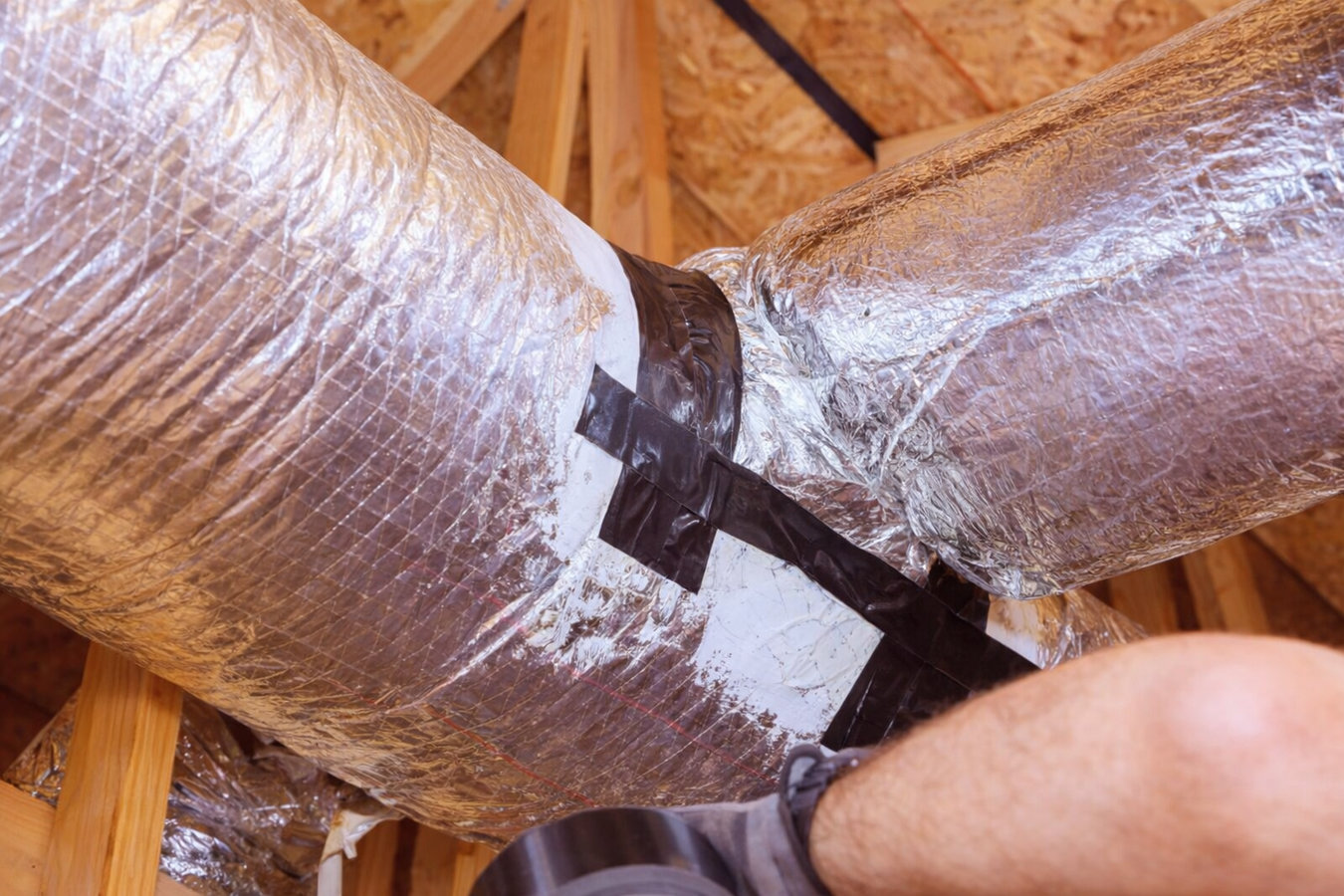
Winona homes built before 1940 were constructed before energy codes existed, which means gaps around plumbing, chimneys, and the tops of interior walls were never addressed. The city's repeated freeze-thaw cycles in fall and spring gradually widen those gaps over decades, so a house that was just drafty 20 years ago may now be leaking significant heat every winter. Sealing those hidden openings before adding insulation is the step that makes the biggest difference in actual heating bills. Learn more about air sealing services and how the diagnostic process works in an older home.
Winona has an unusually high concentration of Victorian-era and late 19th century homes with steep, complex rooflines - the kind of attic geometry that makes original insulation settle unevenly and leave cold spots near the eaves. When attic insulation falls below the depth needed for this climate zone, heat escapes at the roof deck and snow melts unevenly, which is the first step toward ice dam damage. Getting the attic to proper depth for southeastern Minnesota winters stops that cycle before it starts.
Winona's position along the Mississippi River means spring moisture levels stay elevated longer than in drier inland cities. Spray foam applied to basement rim joists and foundation walls bonds directly to irregular surfaces, fills every gap, and acts as a vapor retarder - which matters in a river town where the combination of cold foundations and high humidity creates persistent condensation and moisture problems. It handles both the air sealing and the insulation function in one pass.
Blown-in insulation is a strong fit for Winona homes where opening plaster or lathe walls is not practical. It installs through small holes drilled in the exterior or interior, fills the wall cavity without demolition, and leaves finished surfaces nearly untouched after patching. For the older two-story wood-frame homes common in Winona's west-side and downtown neighborhoods, this method delivers real thermal improvement without tearing apart original interior trim that has been in place for a century.
Winona sits between the Mississippi River and the limestone bluffs, and the spring water table rise affects low-lying homes in ways that show up first in crawl spaces and basements. Uninsulated crawl spaces allow cold air and ground moisture to move directly into floor framing, and in Winona's wet springs that moisture can linger long enough to cause wood damage. Crawl space insulation paired with a vapor barrier protects the structure from both the cold and the seasonal moisture that comes with living in this river valley.
Many Winona homes built during the lumber and grain trade era of the late 1800s have stone or brick foundation walls that have never been insulated. Those walls sit in direct contact with frozen ground from November through March, and the cold transfers straight into the floors above. Insulating the basement walls and rim joists creates a proper thermal boundary that keeps the living space warmer and takes pressure off the heating system during the coldest months of a Winona winter.
Winona is a city of about 25,000 people in Winona County, hemmed in between the Mississippi River on one side and tall limestone bluffs on the other. That geography kept the city from spreading out the way most Midwestern towns did, and it shaped the housing stock in a way that is immediately clear to anyone who works on homes here regularly. A large share of Winona's homes were built before 1940 - many during the city's peak as a lumber and grain shipping hub in the late 1800s. Those homes have original wood framing, stone or brick foundations, and insulation that was minimal when new. Victorian-era construction, which is unusually well-preserved in Winona, means steep rooflines, ornate woodwork, and complex attic geometry that causes insulation to settle unevenly over time. The city also has a high share of rental housing tied to Winona State University and Saint Mary's University, which means many older homes have had deferred maintenance accumulate across years of tenant turnover.
Winona winters are demanding in the specific way that a river valley location amplifies. Temperatures drop below zero regularly, frost penetrates 4 feet or more into the ground in a hard winter, and the repeated freeze-thaw cycles of fall and spring gradually widen every small gap in a home's framing and foundation. Spring snowmelt raises the Mississippi and the local water table together, and homes in low-lying parts of the city see moisture pushing against their foundations from both directions. For a home built 80 or 100 years ago with no modern vapor management, that combination of cold and moisture creates a persistent maintenance challenge that proper insulation and air sealing directly addresses.
Our crew works throughout Winona regularly, and the homes here have a character you learn quickly. The compact layout of the city - squeezed between the bluffs and the river on tight urban lots - means equipment access requires planning, and many homes have short driveways with neighbors close on both sides. We pull permits through the City of Winona Planning and Building Department when required, and we know which projects fall under permit thresholds and which do not. The pre-war homes throughout downtown and the west side present challenges you don't find in newer construction - irregular foundation surfaces, plaster walls, and attic geometry built for aesthetics rather than easy insulation access - and we have the right methods for each of them.
The city is geographically distinct in ways that matter for this work. Garvin Heights overlook sits above the bluffs on the city's south side, and properties up near the bluffs drain differently than homes down in the flats near the river - the ones that deal with spring water table rise every year. Highway 61 runs through town along the riverfront, and the neighborhoods between the road and the water are some of the oldest in the city. Winona State University anchors the east side of the city, and the neighborhoods around it have a mix of owner-occupied homes and converted rentals that each have their own maintenance history.
We also serve nearby communities throughout this part of the Mississippi River corridor. If you are in Red Wing, about 60 miles to the northwest along the river, we work there regularly and understand how similarly the older housing stock in that city behaves. We also cover Rochester, about 45 miles to the west, for homeowners who need insulation work on a broader service schedule.
Call us or submit the contact form and we will respond within 1 business day. We will ask a few questions about your home and what you are noticing - cold rooms, high bills, drafts - so we come to the assessment prepared.
We inspect the attic, basement, crawl space, and rim joists to find where heat is leaving and where air is getting in. For older Winona homes, this often turns up gaps that were never sealed at original construction. You get a clear, written estimate before any work begins - no pressure, no obligation.
Most Winona projects are completed in one to two days. We seal air gaps first, then install insulation to the correct depth for Minnesota's Climate Zone 6 requirements. You do not need to leave your home, and we clean up completely before we go.
Before we leave, we walk you through what was done and show you the finished work. We explain which rebate programs may apply to the materials used so you can file the right paperwork with your utility. If anything comes up afterward, call us directly.
We serve Winona, MN homeowners with free on-site estimates and no-pressure assessments. Call us or fill out the form and we will respond within 1 business day.
(507) 509-6204Winona sits on a sandbar between the Mississippi River and a wall of limestone bluffs in the far southeastern corner of Minnesota - a geography that shaped everything about the city, from its street grid to its building stock. The city grew rapidly in the second half of the 1800s as a lumber and grain shipping center, and that prosperity built neighborhoods of Victorian homes, brick commercial blocks, and large merchant houses that still define the character of downtown and the older residential districts. The architectural heritage of Winona is recognized as one of the best-preserved Victorian streetscapes in Minnesota, with ornate wood trim, steep gabled rooflines, and original brick that has survived more than a century of Minnesota winters. Winona State University and Saint Mary's University give the city a younger population and a higher share of rental housing than many comparably sized Minnesota cities, and the neighborhoods around both campuses have a mix of long-term owner-occupied homes and converted rentals with varying maintenance histories.
Most of the city's residential neighborhoods sit between Highway 61 along the riverfront and the base of the bluffs. The view from Garvin Heights Park on the bluffs above the city - looking out over the river valley, the floodplain, and the rooftops below - gives a clear sense of how compact and dense Winona actually is. Steamboat Days brings the city together along the riverfront each summer, but the winters here are long and serious. We also serve homeowners in nearby Red Wing, which shares similar Mississippi River geography and a comparable older housing stock, and in Faribault, further west in the river country of southern Minnesota.
High-density closed-cell foam for superior moisture and thermal resistance.
Learn MoreBlock moisture and protect your crawl space with a vapor barrier.
Learn MoreCall us or fill out the form and we will schedule a free on-site assessment at your Winona home. We respond within 1 business day and there is no obligation to proceed.