
Loading...
Serving Austin, MN and surrounding areas. (507) 509-6204
Heat rises, and if your attic is not properly insulated, it is leaving your home all winter. We add the coverage your ceiling is missing so your furnace does not have to work overtime.
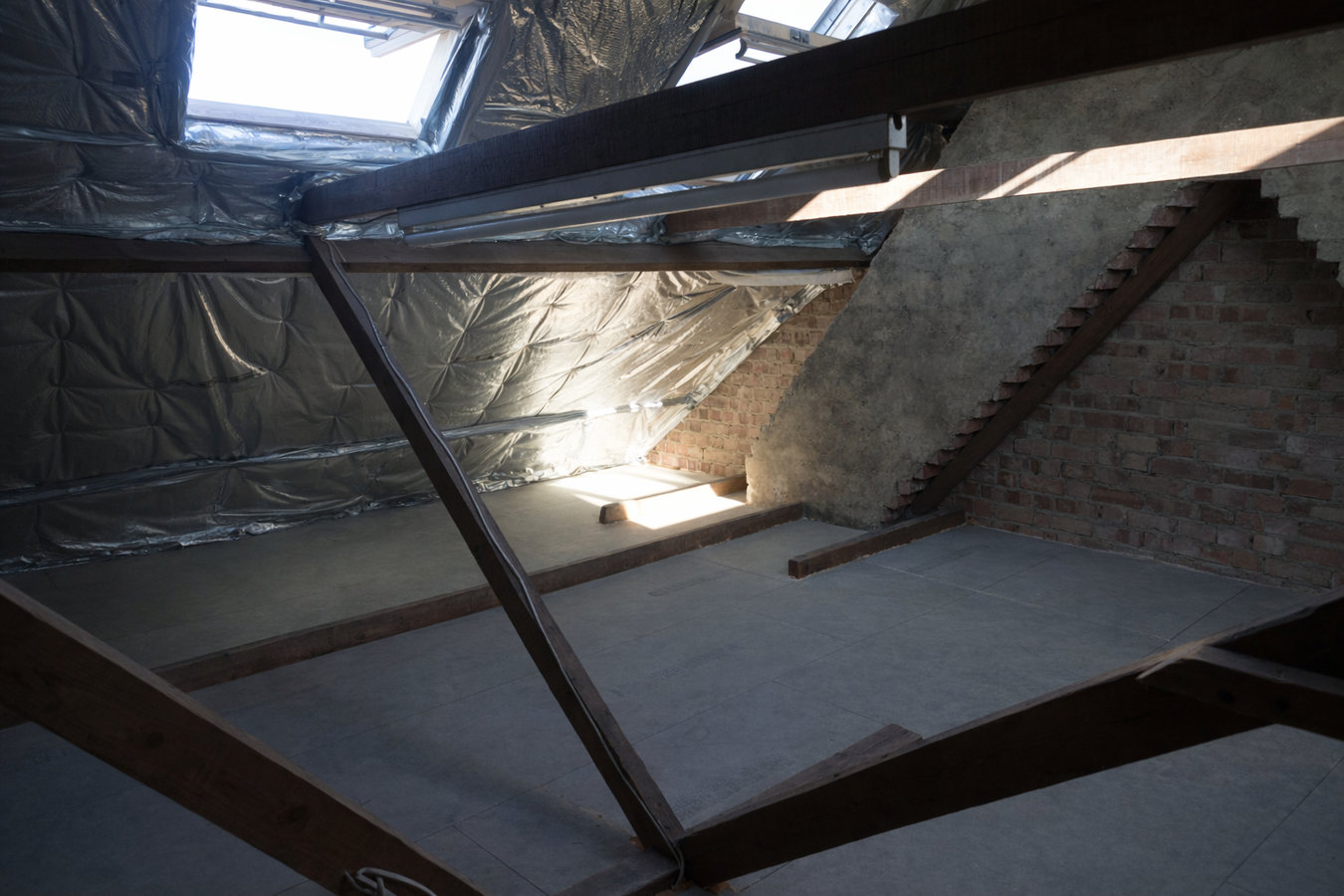
Attic insulation in Austin, MN acts as a thermal barrier between your living space and the outdoors, slowing heat loss through your ceiling - most homes need 16 to 18 inches of insulation depth to meet cold-climate standards, and many older Austin homes have far less.
When your attic does not have enough coverage, heat rises straight out of your living space every day the furnace runs. Austin winters run from October through April - that is six months of heat moving through an under-insulated ceiling and six months of higher bills as a result.
A complete attic upgrade pairs insulation with air sealing to close the gaps before material goes in. If you are tackling the whole envelope, blown-in insulation is one of the most common methods for attic floors, filling irregular spaces that batts cannot cover evenly. You may also want to consider attic air sealing as a companion service to maximize the performance of any new insulation.
If your gas or electric bill seems high compared to neighbors with similar-sized homes, inadequate attic insulation is one of the most common causes. Heat rises, and an under-insulated attic ceiling is one of the biggest escape routes. In Austin's long winters, even a modest insulation gap adds up to significant wasted energy over a single heating season.
If one or two rooms are always drafty in January or stuffy in July regardless of your thermostat setting, the problem is often above you. Uneven temperatures from room to room are a classic sign that heat is moving through the ceiling in ways it should not - especially common in older Austin homes where insulation was installed unevenly or has settled over the decades.
Ice dams - the ridges of ice along the edge of a roof in winter - happen when heat escaping through an under-insulated attic melts snow on the roof, which then refreezes at the cold eaves. If you have noticed ice dams in past winters, your attic almost certainly needs more insulation and air sealing. This is one of the clearest warning signs Minnesota homeowners have.
If you can peek into your attic and see the tops of the floor joists poking through the insulation, you do not have enough. Insulation that has been there for decades may also have settled significantly, reducing how well it performs. A quick look is often all it takes to know whether an upgrade is worth exploring.
Most attic insulation projects in Austin use blown-in insulation - loose-fill material that fills every corner and irregular space on your attic floor without tearing out walls or ceilings. It is the most common choice for existing homes because it works around whatever is already up there. For homes with specific moisture or condensation concerns, we also discuss whether spray foam or a hybrid approach makes more sense for the roof deck.
Every attic insulation job starts with an air sealing pass - closing the gaps around light fixtures, pipes, wiring, and the attic hatch before any material goes in. Skipping that step means you lose a significant share of what you paid for. We also assess for attic air sealing needs so the full picture is addressed before insulation is added.
The most common approach for existing homes - loose-fill material fills every space evenly, even in hard-to-reach attic corners.
Closing gaps before insulation goes in so warm air cannot sneak through light fixtures, pipes, and the attic hatch.
Pre-cut batt insulation suited for attic knee walls and areas with consistent framing spacing.
Not sure what you have? We measure depth and coverage and tell you exactly how much more your home needs.
Austin falls in Climate Zone 6 - one of the coldest residential designations in the continental United States. The recommended insulation depth for this climate is significantly higher than what many homes in Austin actually have. A large share of the city's housing stock was built between the 1920s and 1970s, a period when insulation standards were far lower than they are today. These homes were built with just a few inches - or none at all in some sections. If your home is more than 40 years old, there is a strong chance an upgrade would make a meaningful difference in how comfortable and affordable it is to heat.
Beyond heat loss, Minnesota attics face a specific moisture risk: warm air from inside rising into a cold attic can condense on cold surfaces. Over time, that moisture damages insulation, rots wood framing, and encourages mold where you cannot see it. That is why the combination of air sealing and insulation matters here more than in warmer climates. We work regularly in Austin and across nearby communities like Faribault, where the same older housing conditions and climate demands apply.
We ask a few quick questions about your home's age and any comfort or energy bill issues you have noticed. We respond within one business day and schedule a free in-home visit.
We measure existing insulation, check for moisture or pest issues, and identify air leaks that should be sealed before material goes in. You get a written quote with no vague line items - just a clear breakdown of what will be done and what it costs.
Clear any boxes stored directly under the attic hatch and make sure there is a path from the exterior of your home to the access point. You do not need to leave your home for the job.
The crew seals air gaps first, then adds the insulation. Most Austin homes are done in three to five hours. There is no curing time - your home is warmer the same day. The crew cleans up before leaving and confirms the attic hatch closes properly.
We measure what you have, tell you exactly what your home needs, and give you a written estimate before any work is scheduled. One business day response.
(507) 509-6204Most of the energy savings from attic insulation comes from stopping air movement, not just adding material. We seal gaps around light fixtures, pipes, and the attic hatch before any insulation goes in - following ENERGY STAR standards that confirm air sealing and insulation together deliver meaningfully better results than either step alone.
We document the job with before-and-after photos and clear notes on the material and coverage installed. You can confirm exactly what went into your attic without taking anyone's word for it.
Homes built in Austin's established neighborhoods before the 1970s have patterns we recognize - insulation that has settled, attic hatches that have never been weatherstripped, and air leaks that modern construction simply does not have. We know where to look and what a proper upgrade requires for these homes.
Mower County homeowners who meet income guidelines may qualify for free attic insulation through the Semcac weatherization program. We are familiar with how that process works and can help you understand whether it is worth exploring before paying out of pocket for work you may be able to get covered.
Every one of these points shows up in how we work on every project - not just in the materials we use, but in how we communicate with you from the first call through the final walkthrough.
For recommended insulation depths by climate zone, see the U.S. Department of Energy insulation guide. Mower County homeowners who may qualify for weatherization assistance can learn more at semcac.org/weatherization.
Loose-fill insulation blown into attic floors and wall cavities for even coverage in existing homes.
Learn MoreSeal the gaps around fixtures, pipes, and the attic hatch before insulation goes in for maximum performance.
Learn MoreGet your home sealed before the cold sets in - openings fill fast in September and October, so booking early means better availability.