
Loading...
Serving Austin, MN and surrounding areas. (507) 509-6204
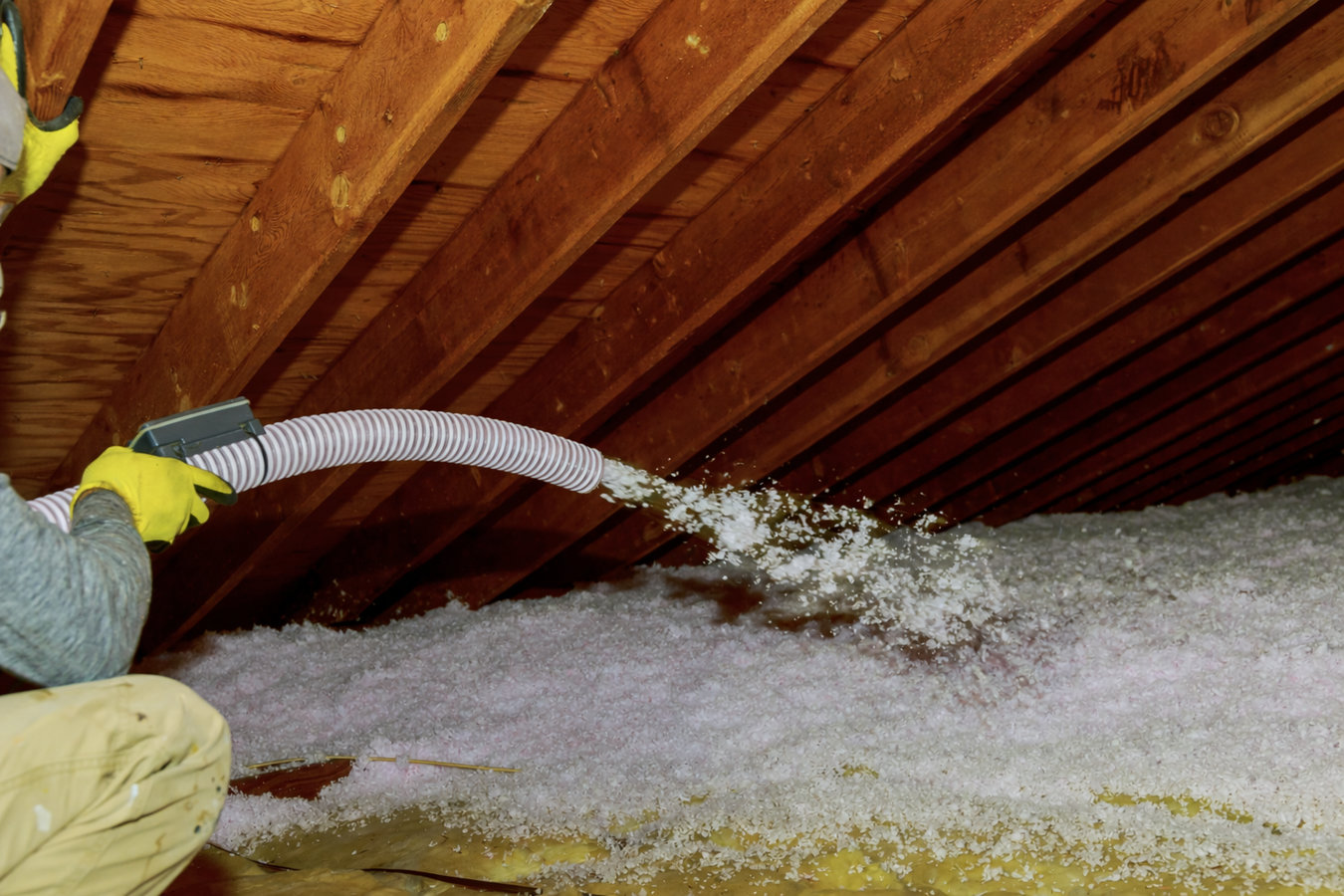
Your attic may be letting hundreds of dollars of heat escape every winter. Blown-in insulation fills every gap and corner, keeping your home warm and your bills down.
Blown-in insulation in Austin, MN uses loose cellulose or fiberglass material blown through a hose to fill your attic or wall cavities completely, most jobs in an average single-story home are finished in one half-day visit.
Austin sits in Climate Zone 6, one of the coldest regions in the continental U.S. Homes built before the 1990s were rarely insulated to the levels that actually keep warmth inside during a Minnesota winter. If your heating bill spikes from November through March, a thin attic is often the reason. Blown-in material fills corners and tight spots that traditional batt rolls simply cannot reach.
If your home already has some insulation but not quite enough, blown-in is ideal - it layers right on top without tearing anything out. If you are also dealing with drafts or suspect air gaps, home insulation paired with air sealing is worth discussing when you call.
If your gas or electric bill spikes sharply every November and stays high through March, your home may be losing heat through a thin attic. Austin winters are long and cold, and even a modest improvement in attic insulation can take a meaningful bite out of your monthly bill.
Thick ridges of ice along your roof edge are a classic sign that warm air is escaping into your attic and melting snow, which then refreezes at the cold eaves. This is very common in Austin, MN. If you have had to knock ice off your gutters or seen water stains on your ceiling after a thaw, your attic insulation deserves a close look.
If upstairs bedrooms or rooms directly below the attic feel drafty no matter how high you set the thermostat, the attic above them is likely letting heat escape. This is especially common in older Austin homes where insulation was installed unevenly or has compressed over the decades.
If you look into your attic and can see the wooden beams running across the floor, your insulation is too thin. In a properly insulated Minnesota attic, the insulation should cover those joists completely and then some. Visible wood means you are almost certainly losing heat and money every winter.
We install both cellulose and fiberglass blown-in insulation, and we match the material to your home and budget. Cellulose is made from recycled paper treated to resist fire and pests - it fills irregular spaces very completely and is a strong choice for most Austin attics. Fiberglass is lighter and does not absorb moisture, making it a good option where humidity is a concern. Both reach the right depth and both qualify for federal tax credits when installed to the recommended levels. If your project also calls for attic insulation work alongside blown-in, we handle both in the same visit.
Every job starts with air sealing before a single handful of insulation goes in. Skipping air sealing is the most common shortcut that leads to disappointing results - insulation slows heat movement but it cannot stop air from flowing through holes. We seal the gaps first, then blow to the proper depth and install visible depth markers so you can verify the coverage with your own eyes when the job is done.
Best for most Austin attics - fills irregular corners and settled areas completely.
A lighter option suited to attics with existing moisture sensitivity or specific structural considerations.
Ideal for homes with some existing insulation that just falls short of current Minnesota recommendations.
For older Austin homes with little or no wall insulation - installed through small access holes that get patched and painted.
Austin averages around 40 inches of snow per year, and winter temperatures regularly drop below zero. The Department of Energy places this region in Climate Zone 6, which calls for significantly more attic insulation than what was standard when most Austin homes were built. A large share of Austin homes date to the mid-20th century, and many have never had insulation upgraded. These homes are losing heat through an attic that is working against the furnace all winter - not because of a broken system, but because the insulation was never adequate for a Minnesota winter to begin with.
Ice dams are a direct result of this problem, and they are common here. When warm air escapes into the attic it melts snow on the roof, which refreezes at the eaves and can push water under your shingles. Proper blown-in insulation combined with air sealing keeps your attic cold and your roof temperature even - which is what stops ice dams from forming. Homeowners in Albert Lea and Owatonna face the same conditions, and we serve those areas as well.
Call or submit a request online and we will get back to you within one business day. We ask a few basic questions about your home so we arrive prepared - no long phone calls or pressure to decide on the spot.
We visit your home, measure your existing insulation depth, look for air leaks, and check for any moisture or ventilation issues. The visit takes about 30 to 60 minutes and you get a written estimate that explains what we found and what we recommend.
The crew arrives with a blowing machine, seals air gaps before any insulation goes in, then blows material to the target depth and installs depth markers throughout the attic. Active blowing takes one to three hours for a typical Austin home.
Before the crew leaves, we walk you through the finished work and show you where the depth markers are so you can verify coverage yourself. We provide documentation for any utility rebate or federal tax credit you plan to claim.
Free estimate, written quote, no obligation. We respond within one business day.
(507) 509-6204We seal gaps and penetrations in your attic floor before any insulation goes in. Skipping this step is the most common reason blown-in jobs underperform - and it is why we never skip it. You get the full thermal benefit, not half.
We install small depth rulers throughout the attic when the job is done. You can look in yourself and confirm the coverage without taking anyone's word for it. That kind of transparency matters on a job you cannot see from your living room.
Every job starts with an on-site visit and a written estimate that spells out the material, the target depth, and the areas covered. You know the full scope and cost before we begin.
Many Austin homes date to the 1940s through 1970s. We know what to expect in those attics - compressed original batts, uneven coverage, old knob-and-tube wiring to work around, and limited headroom. That experience means fewer surprises and a cleaner job.
Every one of these details adds up to a job that actually performs the way it should through Austin winters. We do the work right the first time so you are not calling us back to fix shortcuts.
A full-home insulation assessment covering attics, walls, and crawl spaces - the right starting point if you are not sure where to focus first.
Learn MoreTargeted attic insulation work for homes that need more than a top-up - including assessment, air sealing, and full coverage upgrades.
Learn MoreAustin winters start early and heating costs add up fast - the sooner your attic is sealed and insulated, the sooner you start saving.