
Loading...
Serving Austin, MN and surrounding areas. (507) 509-6204
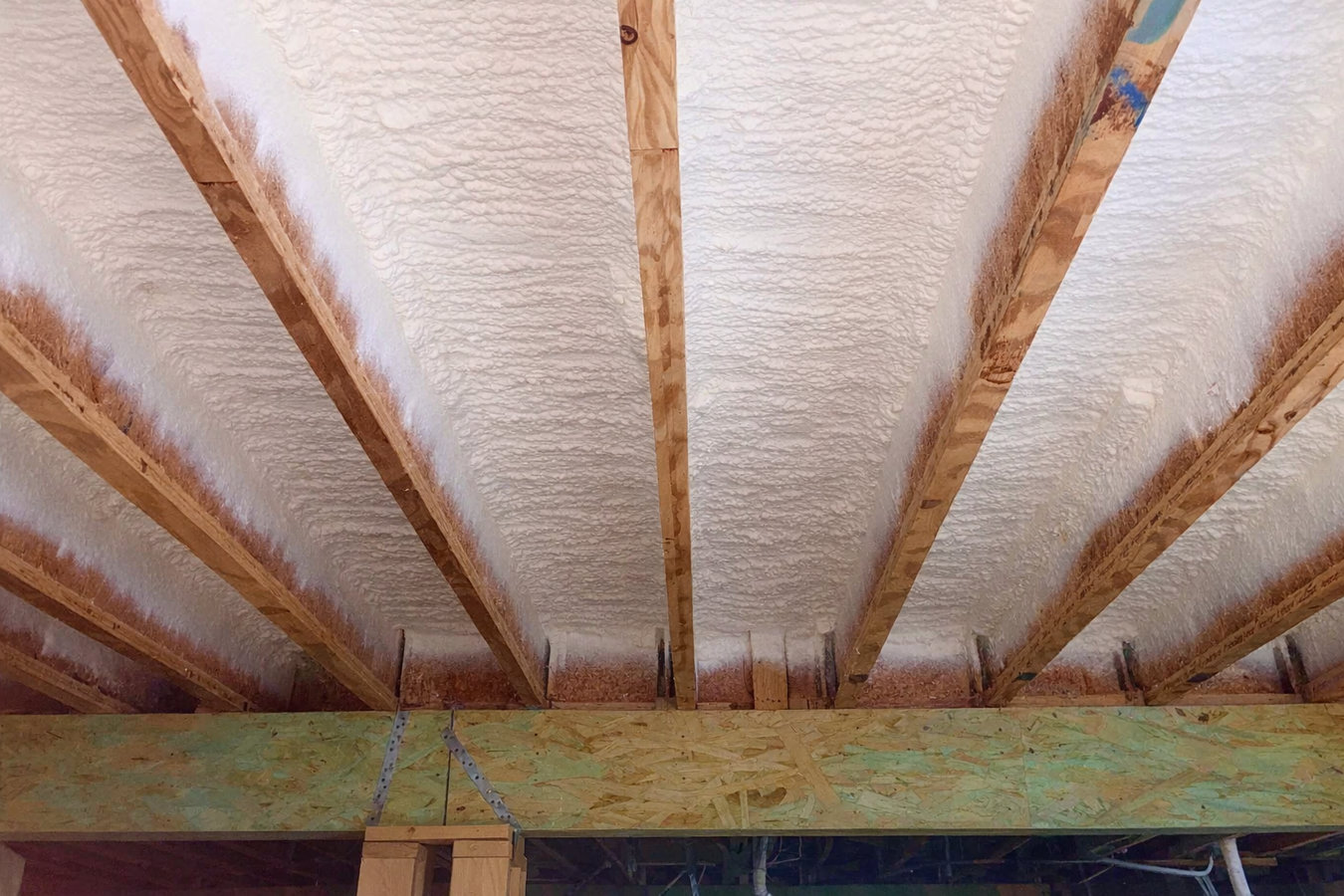
Cold floors and a furnace that runs nonstop all winter are signs that heat is escaping through your crawl space. We install the insulation and vapor barriers that stop that problem at the source.
Crawl space insulation in Austin, MN acts as a thermal blanket between the cold ground and your living floors, slowing heat loss and reducing the load on your heating system - most installations take one to two days and stay completely below your living space.
Austin winters are hard on crawl spaces. When there is little or no insulation below your floor, cold radiates up from the ground and your furnace has to compensate. That shows up on your energy bill every month from October through April. Moisture is the other problem - southern Minnesota's freeze-thaw cycles push ground moisture upward, and without a proper vapor barrier, that moisture sits in the crawl space and can cause wood rot and mold over time.
Many homeowners who have been through an insulation removal job move straight into crawl space work. Others start here when their floors have always been cold and their heating bills have never made sense. Either way, a crawl space vapor barrier is often installed alongside the insulation to give you complete moisture protection below the floor.
If you walk across your kitchen or living room floor in winter and it feels noticeably cold, heat is escaping through the floor. In Austin's winters, this is one of the most common signs that the crawl space below has little or no working insulation - most noticeable in the morning before the heating system has had time to compensate.
If your gas or electric bills have gone up over the past few winters but your habits have not changed, crawl space insulation may be failing. Insulation that has sagged, gotten wet, or been disturbed by rodents loses most of its ability to hold heat. Many Austin homeowners don't realize how much energy they're losing through the floor until a contractor takes a look.
A persistent musty or earthy odor - especially in rooms near the floor - often signals moisture buildup or mold in the crawl space below. Austin's freeze-thaw cycles push ground moisture upward in spring, and without a proper vapor barrier, that moisture has nowhere to go. If the smell gets worse after a thaw, the crawl space is likely the source.
Rodent activity inside the home often traces back to a compromised crawl space. Mice nest in insulation and use gaps around pipes as entry points. If you are seeing signs of mice in fall or early winter, it is worth having a contractor inspect the crawl space insulation for damage and entry points before the problem gets worse.
We offer two main approaches depending on your crawl space and budget: floor joist insulation and full crawl space encapsulation. Floor joist insulation places material between the wooden beams above the crawl space - the traditional method and the right fit for many homes. Encapsulation seals the walls and ground of the crawl space itself, turning it into a semi-conditioned area that is especially effective at managing moisture. We also install wall insulation in conjunction with crawl space work for homeowners looking to address heat loss from multiple angles at once.
Before any insulation goes in, we check the crawl space for moisture, mold, and pest damage. If old damaged insulation is present, it needs to come out first - installing new material over compromised insulation shortens its life and locks in odors and moisture. We handle that removal ourselves and make sure the space is clean before the new installation begins.
Best for homes with accessible crawl spaces where the goal is improving floor warmth and reducing heat loss through the floor structure.
Ideal for homes with ongoing moisture problems, musty odors, or crawl spaces in poor condition that need a more complete solution.
Recommended alongside any insulation job - a ground-level barrier stops moisture from migrating up through your floor system.
Suited for homes where existing insulation has been damaged by moisture, pests, or age before new material can be installed.
Austin sits in a climate zone where winter temperatures regularly drop below zero and the ground can freeze four feet deep. That kind of sustained cold puts real pressure on any uninsulated or under-insulated crawl space. The homes most at risk are those built before modern energy codes - and Austin has a lot of them. A large share of the city's housing stock dates to the early and mid-1900s, which means many crawl spaces have insulation that was installed decades ago and has since sagged, gotten wet, or been disturbed by pests. Some of those homes have no crawl space insulation at all. The U.S. Department of Energy notes that properly insulating a crawl space can reduce heating and cooling costs in many homes - energy.gov has guidance on what is appropriate for cold climates like ours.
Moisture is just as important as warmth here. Southern Minnesota's freeze-thaw cycles push ground moisture upward through late fall, winter, and early spring. Without a vapor barrier and properly sealed insulation, that moisture migrates into your floor structure and can lead to wood rot and mold over time. Homeowners in Stewartville, MN and Waseca, MN deal with the same freeze-thaw moisture patterns - this is a regional issue across southern Minnesota, and the solution is the same in every community we serve.
We reply within one business day. We ask a few basic questions about your home's age, any moisture or pest issues, and what you currently know about the crawl space - so we arrive prepared.
We access the crawl space through the exterior hatch or interior access panel and inspect the existing insulation, moisture levels, pest damage, and air gaps. The assessment usually takes 20 to 40 minutes, and we explain what we found before quoting anything.
The crew works in the crawl space for most of the day. You do not need to leave your home. If old insulation is coming out, it is bagged and hauled away before new material goes in. Most jobs wrap up in one to two days.
We show you photos of the finished installation - especially useful if you cannot easily access the crawl space yourself. Within a few heating cycles, you should notice warmer floors and more even temperatures throughout the home.
No pressure, no obligation. We reply within one business day and come to you.
(507) 509-6204We inspect for moisture, mold, and pest damage before any insulation goes in. Installing new material over a wet or compromised crawl space is one of the most common contractor mistakes - we do not skip that step.
Floor joist insulation and encapsulation are both valid options, but they suit different situations. We explain both honestly and give you a recommendation based on your crawl space, not on which method costs more.
Austin and surrounding Mower County communities have significant rodent pressure in fall. When pest damage is present, we remove the old insulation, document what we found, and address entry points before re-insulating - so the new installation is not compromised from day one.
Crawl space work in Austin can require a building permit through the City of Austin or Mower County. We check requirements before starting and handle the paperwork. Permitted work is on record - that matters when you sell.
U.S. Dept. of Energy - Crawl Space InsulationWe work in crawl spaces across Austin and the surrounding communities every week. The problems we find - moisture, rodent damage, aged insulation - are consistent, and so is the standard we hold ourselves to in fixing them.
Seal heat loss through your exterior walls to complement the thermal protection you've added under the floor.
Learn MoreA ground-level vapor barrier paired with insulation is the most complete way to control moisture in your crawl space.
Learn MoreAustin winters don't wait - lock in your installation date before the cold sets in and your heating bills climb again.