
Loading...
Serving Austin, MN and surrounding areas. (507) 509-6204
Austin winters are long and cold. Spray foam seals every gap your furnace is fighting and keeps your home warm from October through April.
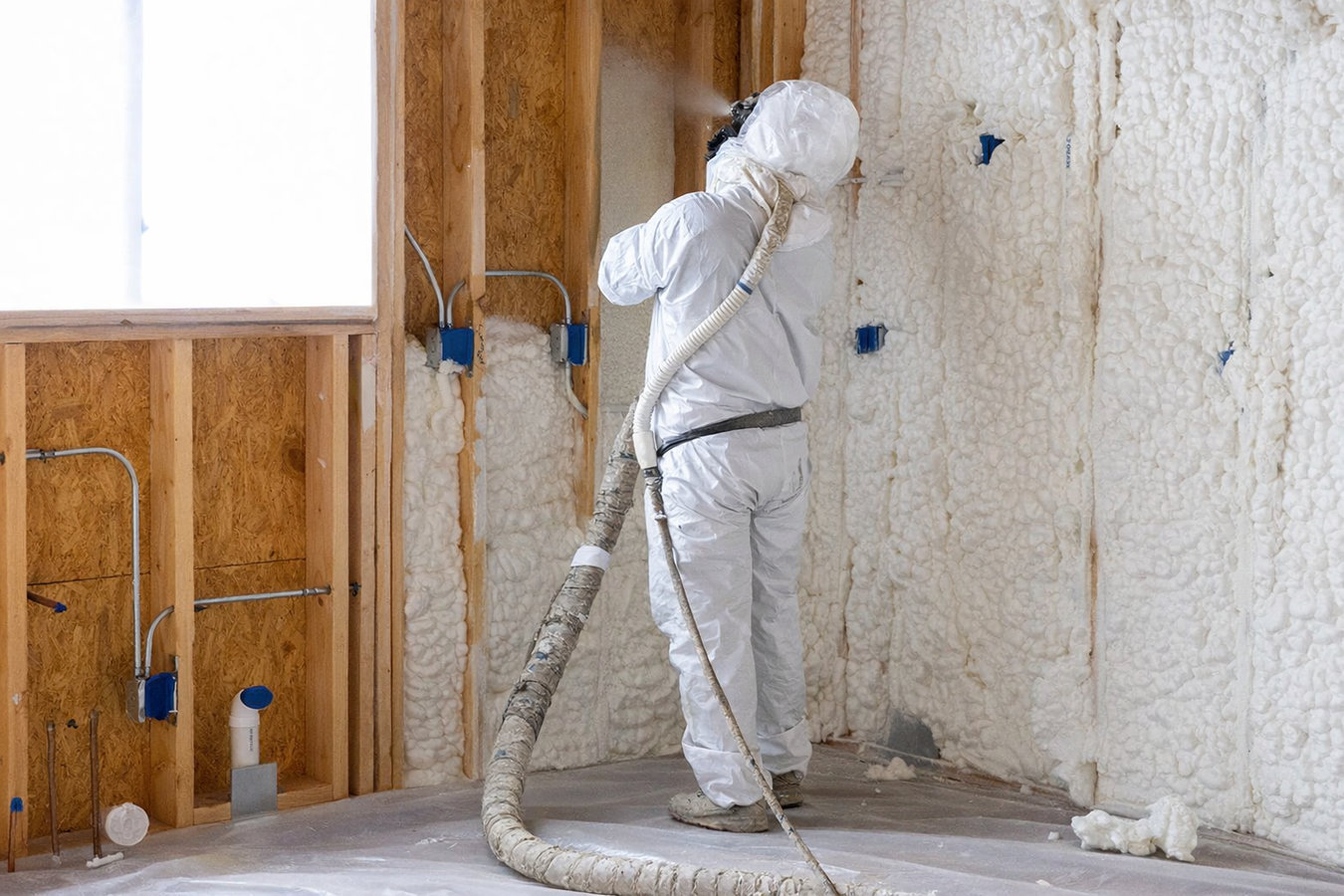
Spray foam insulation in Austin, MN expands to fill every crack and gap it contacts, creating an air barrier and insulating layer in one step - most residential jobs cover rim joists, attics, or crawl spaces in a single day.
If your heating bills spike every October and never fully come down, air is escaping through places you cannot see. Older Austin homes - many built before the 1980s - were never designed to meet today's energy standards. That gap between what is there and what is needed shows up on your gas bill every winter.
Spray foam is the only insulation that seals and insulates at the same time. If you are also considering attic insulation as part of a broader project, both services work together to close the biggest heat-loss paths in your home.
If your gas or electric bill spikes sharply from October and stays high through April, your home is losing heat faster than it should. Austin temperatures can stay below freezing for weeks - a poorly insulated home forces your furnace to run almost constantly, and that shows up on every bill.
A bedroom above the garage, a basement room, or a corner office that always runs colder than the rest of the house is a strong signal. Cold spots like these are common in older Austin homes where insulation was never added to rim joists or has settled and thinned over the years.
Hold your hand near an electrical outlet on an exterior wall on a cold day - if you feel a draft, air is moving through gaps in your wall cavity. The same test works along the top of your basement walls. These are exactly the kinds of gaps spray foam seals permanently.
Mower County's spring thaw pushes moisture through the soil, and crawl spaces in older Austin homes often show it first - as dampness, water stains, or a musty smell from the lower level. Spray foam on crawl space walls and rim joists can seal out both cold air and moisture at the same time.
We install both open-cell and closed-cell foam insulation depending on where you need it and what the space demands. Closed cell spray foam is denser, acts as a moisture barrier, and performs best in basements, crawl spaces, and exterior-facing areas where Minnesota winters hit hardest. Open-cell foam is softer, more flexible, and a common choice inside walls and attic spaces where you want good thermal performance without the rigidity.
Beyond just the foam itself, proper installation includes prepping each surface, masking areas that should stay foam-free, and a final walkthrough to confirm coverage. Every project comes with documentation you can keep on file - useful when you sell the home or need to confirm what was done for an insurance claim.
Dense, rigid, and moisture-resistant - the right choice for below-grade spaces and exterior walls in cold climates.
Softer and more flexible, ideal for interior walls and attic applications where air sealing is the primary goal.
One of the highest-impact targets in older Minnesota homes - sealing rim joists often delivers the fastest return on energy savings.
Spray foam combined with a vapor barrier keeps moisture and cold air out of the spaces beneath your home.
Austin sits in Mower County in southeastern Minnesota - Climate Zone 6, where average January lows regularly fall below zero and wind chills push temperatures far colder. That kind of cold puts enormous pressure on any gap or weak spot in your home's insulation. Spray foam's ability to seal air leaks while insulating makes it especially well-suited to homes here, where even small gaps in a rim joist or attic floor translate to noticeably higher heating bills through a five-month heating season.
Austin also has a significant share of homes built before modern insulation standards existed - many before the 1980s, some much older. These homes have uninsulated or under-insulated rim joists, attic hatches, and wall cavities that were never designed with today's energy costs in mind. Spray foam is particularly effective here because it conforms to irregular framing and fills gaps that batts simply cannot reach. We regularly work in Austin and in neighboring communities like Albert Lea, where older housing stock presents similar challenges.
We ask a few basic questions - which areas you want insulated, whether you have had moisture issues, and roughly how old the home is. We reply within one business day and get a visit scheduled.
We walk through the areas you want insulated, measure, check for existing insulation and moisture issues, and give you a written estimate broken down by area - no vague line items.
Clear stored items away from basement walls and make the attic hatch accessible. Arrange to stay elsewhere for at least 24 hours after spraying - your contractor confirms the re-entry time in writing before the job starts.
Most standard residential jobs finish in one day. After the foam cures, we walk through the finished work with you, explain what was done, and leave you with documentation for your records.
Get a free, no-obligation estimate for spray foam insulation in Austin, MN. We reply within one business day and walk through every line of the quote with you.
(507) 509-6204We visit the property, assess the areas that need foam, and give you a written estimate that spells out the scope and the cost. No quotes over the phone and no pressure to sign.
Older wood-frame homes in Austin's established neighborhoods have irregular framing, layered renovations, and air-leak patterns that newer construction does not. We know what to look for and how to spray foam into spaces that batts and blown-in material cannot reach effectively.
We give you a specific re-entry window in writing before the crew arrives - not a rough estimate after the fact. That lets you make real plans for where you and your family will stay, so the job does not disrupt your week more than it needs to.
Every project comes with paperwork: the product data sheet, what was installed, and where. When buyers and home inspectors ask about insulation during a sale, you have clear answers. That kind of documentation adds credibility and can smooth a transaction.
These are not just policies on paper - they reflect how we run every project. When you hire us, you know who is showing up, what they are going to do, and what the finished work should look like before they leave.
For guidance on safe re-entry after spray foam installation, see the EPA spray polyurethane foam safety guidelines. For ENERGY STAR insulation standards and rebate information, visit energystar.gov.
Add insulation depth to your attic floor and stop heat from escaping through the ceiling all winter.
Learn MoreThe denser, moisture-resistant foam option for basements, crawl spaces, and exterior walls.
Learn MoreLock in your install date now and feel the difference before the first hard freeze - openings fill fast in September and October.