
Loading...
Serving Austin, MN and surrounding areas. (507) 509-6204
Premier Austin Insulation is an Insulation Contractor serving Rochester, MN with spray foam insulation, attic insulation, blown-in insulation, and crawl space work - and we have been doing insulation jobs across Olmsted County since 2017. Rochester homes range from century-old Craftsman bungalows near downtown to IBM-era ranches in the southeast and newer subdivisions on the southwest side, and we know what each of those housing types actually needs to stay warm through a Minnesota winter.
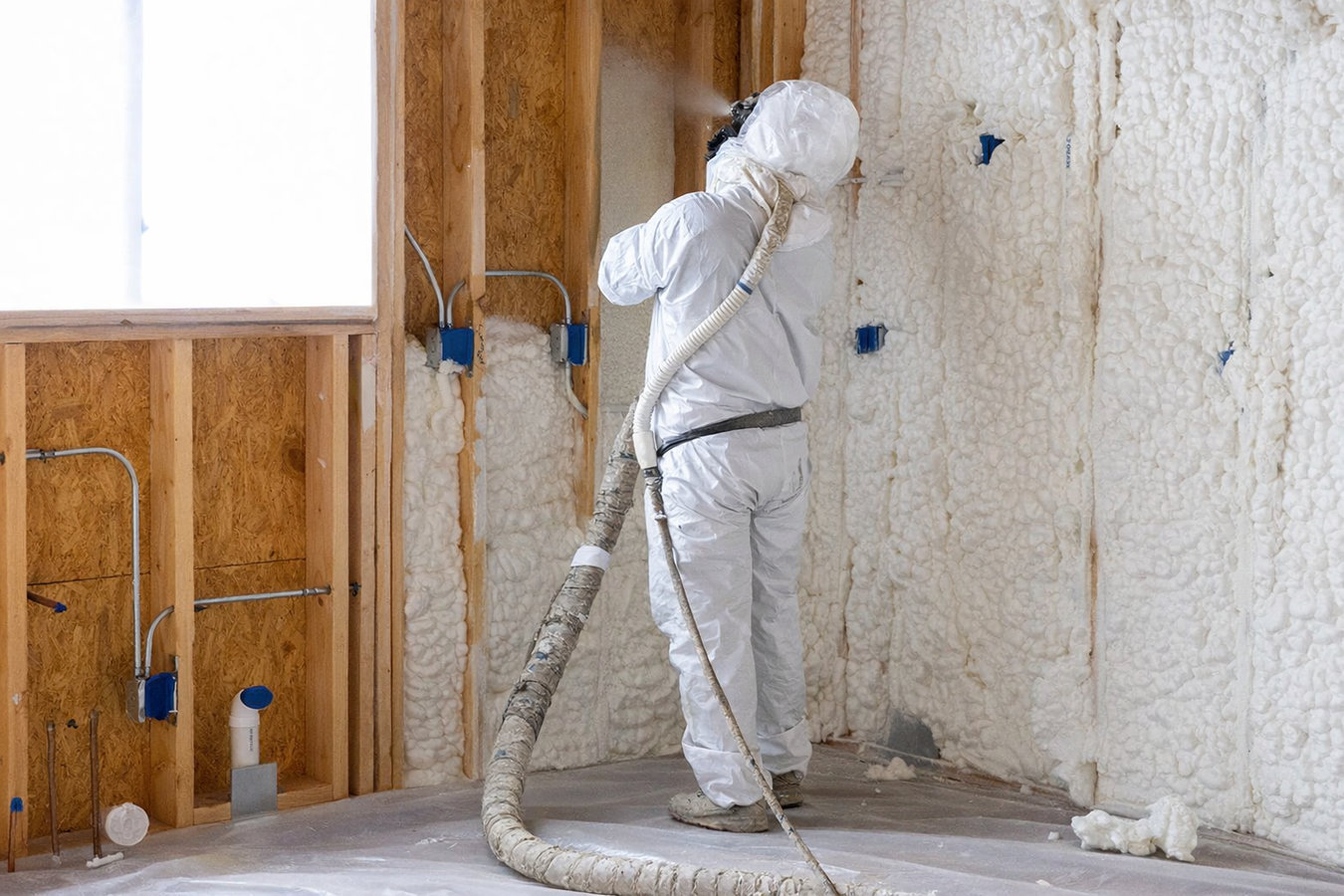
Rochester homes on clay-heavy soil deal with moisture pressure against foundation walls every spring when snowmelt saturates the ground. Spray foam applied to rim joists and basement walls seals and insulates in one step - it bonds to concrete, fills every gap, and acts as a vapor retarder where standard batt insulation simply cannot. Read more about what spray foam insulation involves and which parts of a Rochester home benefit most.
Rochester averages around 46 inches of snow per year, and attics with old or compressed insulation are the primary reason ice dams form at the roofline every winter. The IBM-era ranch homes on Rochester's southeast side are particularly prone to this - their original attic insulation from the 1950s and 1960s has often settled to the point where it no longer meets the depth needed to keep the roof deck cold. Bringing that depth up to current recommendations for this climate zone eliminates the problem at the source.
Blown-in insulation installs without opening walls or ceilings, which makes it the right choice for Rochester homeowners in occupied homes who want to upgrade without a major renovation. It fills the irregular spaces and framing voids common in older homes near Rochester's Pill Hill neighborhood and downtown, and can be added on top of existing material in an attic when the current coverage has settled but has not been contaminated.
Rochester's clay soil holds water, and uninsulated crawl spaces in older homes here can become genuinely wet in spring. Cold crawl spaces mean cold floors above them, and wood framing in contact with moisture - even intermittently - deteriorates faster than it should. Proper crawl space insulation combined with vapor control addresses both the cold and the moisture side of the problem in one project.
Many of Rochester's mid-century homes have full basements with uninsulated concrete walls that function as a cold sink from November through April. Frost can reach 42 to 60 inches deep here in a hard winter, meaning that concrete wall is essentially in contact with frozen ground for months at a time. Insulating those walls and the rim joists above them keeps the first floor noticeably warmer and reduces the work your furnace has to do every heating season.
Rochester's frequent freeze-thaw cycles - temperatures swing above and below freezing dozens of times each fall and spring - cause building materials to expand and contract in ways that open small gaps over time. Air sealing before insulation catches those gaps at wiring penetrations, plumbing chases, and framing connections, and is the step that separates insulation work that delivers lasting results from work that looks right but still leaks heat.
Rochester is the third-largest city in Minnesota with about 121,000 residents, and its housing stock spans nearly every era of residential construction. The neighborhoods closest to downtown - including the Pill Hill area where many older professionals have long lived - have homes built between roughly 1890 and 1940. These are Craftsman bungalows and Victorian-style two-stories with original wood framing, older masonry foundations, and insulation that was minimal even when new. The IBM-era southeast side has a large supply of ranch and split-level homes from the 1950s through the 1970s, many still with their original insulation from six decades ago. Newer subdivisions on the southwest side have homes built from the 1990s through today with modern materials - but even these benefit from air sealing around penetrations and upgrades where builder-grade installation left gaps.
Rochester's climate adds specific challenges. The city averages around 46 inches of snow per year, frost can penetrate 42 to 60 inches into the ground in a hard winter, and temperatures drop below zero multiple times each season. The soil across much of the Rochester area has significant clay content, which holds water instead of draining it - meaning foundation walls and crawl spaces face moisture pressure in ways that sandier soils do not. Freeze-thaw cycles in fall and spring are among the most damaging forces on building materials, opening gaps in mortar, concrete, and framing connections that air uses to move freely. Insulation work in Rochester has to account for all of this: the age of the home, the clay soil beneath it, and the specific cold-and-moisture pattern of this part of Olmsted County.
Our crew works throughout Rochester regularly, and we understand the local conditions that affect insulation work here. Rochester is a large and geographically spread-out city - the older homes near Mayo Clinic and the downtown core have different needs than the IBM-era ranch homes in the southeast, and those are different again from the newer subdivisions off Highway 52 on the southwest side. Knowing which neighborhood you are in tells us a lot about what we are likely to find before we even arrive.
The Destination Medical Center initiative has been bringing significant investment and development to Rochester for several years now, and that growth means more homeowners are putting money into their properties. We have seen steady demand from Rochester homeowners who want to get their insulation up to standard before a renovation, before listing a home, or simply because energy bills have climbed past the point where it makes sense to wait. The Rochester area is served by major routes including Highway 14, Highway 52, and US-63, which makes it straightforward for our crew to reach all parts of the city quickly. We also serve Stewartville just to the south, where many Rochester-area homeowners have moved as the city has grown outward.
About 57 percent of Rochester's housing units are owner-occupied, according to U.S. Census data - which means most residents here have a genuine stake in their home's long-term condition. That makes Rochester a community where homeowners tend to take maintenance seriously, and where insulation upgrades are seen as practical investments rather than optional extras. When we work here, we are typically talking with people who want to understand what they are getting, not just find the lowest bid.
Call or fill out our contact form and we follow up within one business day. We will ask a few quick questions about your home and what prompted you to reach out so we arrive prepared for the assessment.
We visit your Rochester home, inspect the attic, crawl space, basement, and exterior walls, and provide a written estimate at no charge. This typically takes under two hours. We explain exactly what we found and what we recommend - no pressure to decide the same day.
Most Rochester insulation projects are completed in a single day. Our crew works in the attic, crawl space, and basement while minimizing disruption to the living areas of the home. We let you know if any section needs to be temporarily cleared before we arrive.
When the work is finished, we walk through with you to show what was installed and where. You will leave knowing exactly what your home has and what to expect in the coming heating season. If anything comes up after we leave, call and we will take care of it.
We serve homeowners across Rochester and Olmsted County. No obligation, no pressure - just an honest look at what your home needs and what it will cost.
(507) 509-6204Rochester is Minnesota's third-largest city, home to about 121,000 people in Olmsted County in the southeastern part of the state. Mayo Clinic is the city's defining institution - the world-famous medical center brings researchers, physicians, and patients from around the globe and shapes the economy and character of the entire region. The Destination Medical Center initiative, a state and city partnership to invest in Rochester's growth around Mayo Clinic, has been reshaping the downtown and surrounding areas for several years. The city has distinct neighborhoods: the historic areas near Pill Hill and downtown with Victorian and Craftsman homes, the mid-century IBM-era corridors on the southeast side, and the fast-growing southwest subdivisions that have expanded since the 1990s.
IBM established a large presence in Rochester in the 1950s and helped build out entire neighborhoods of ranch and split-level homes for its workforce. Many of those homes are still standing today in the southeast part of the city, and their age - now 60 to 70 years - means insulation and air sealing upgrades are overdue for most of them. Soldier's Field Veterans Memorial and the surrounding park are among the most recognized landmarks in the city. Rochester continues to grow, with new residential development on the southwest side regularly adding to the housing stock. We also regularly serve homeowners in Winona to the east along the Mississippi, where the older housing stock presents many of the same insulation challenges as Rochester's mid-century neighborhoods.
High-density closed-cell foam for superior moisture and thermal resistance.
Learn MoreBlock moisture and protect your crawl space with a vapor barrier.
Learn MoreCall us today or submit a request online - we respond within one business day and come to you with a free, no-pressure estimate anywhere in Olmsted County.