
Loading...
Serving Austin, MN and surrounding areas. (507) 509-6204
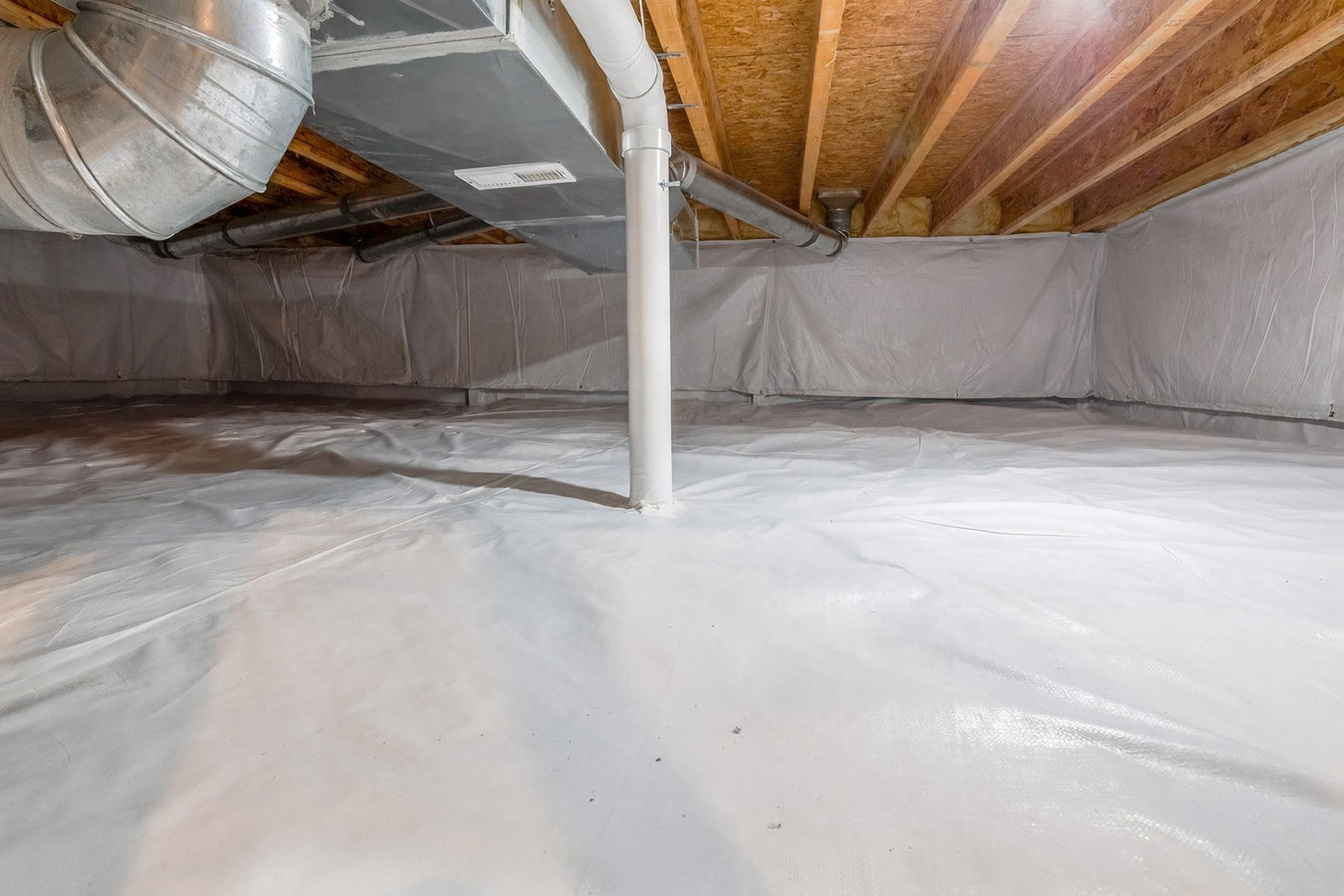
Ground moisture is quietly working on your floor joists and insulation every winter. A properly installed crawl space vapor barrier stops it before it causes rot, mold, or higher heating bills.
A crawl space vapor barrier in Austin, MN is a heavy-duty plastic sheet installed across the dirt floor and up the foundation walls to block ground moisture from rising into your floor structure - most installations are completed in one to two days with no disruption to your living areas.
Without a barrier, the dirt floor of your crawl space acts like a slow leak. Ground moisture rises up through the soil, soaks into your insulation, and begins working on the wood framing above it. In Austin, this problem peaks every spring when the frozen ground thaws and releases moisture that has been building up all winter. Homes built before the 1980s are especially vulnerable - many of them have bare dirt crawl spaces that were never protected from day one.
For many Austin homeowners, a vapor barrier is the natural next step after addressing crawl space insulation. The two work together: insulation slows heat loss, and the vapor barrier keeps that insulation dry so it can keep doing its job through a long Minnesota heating season.
If you notice a damp, earthy odor in your home that intensifies after the snow melts in March or April, your crawl space is likely the source. In Austin's climate, the spring thaw pushes ground moisture upward fast, and a bare dirt crawl space acts like a sponge that releases that smell directly into your living space. This is one of the most common early warning signs Austin homeowners describe.
When your crawl space has no vapor barrier, cold air and moisture attack the wood framing and insulation beneath your floors. If your first-floor floors feel noticeably colder than the rest of your home in winter, or if any spot feels slightly soft or springy when you walk on it, moisture damage to the subfloor may already be underway.
If you or anyone else has looked into your crawl space and seen water droplets on pipes, wet insulation hanging down, or standing water on the dirt floor, you need a vapor barrier installed as soon as possible. These are signs that moisture is already causing damage - not just threatening to.
Many Austin homes from the mid-20th century were built with no moisture protection in the crawl space at all - it simply was not standard practice at the time. If you have owned your home for years and never had anyone look under it, there is a real chance the crawl space needs attention, even if you have not noticed any obvious symptoms yet.
We install heavy-duty polyethylene sheeting across the entire crawl space floor, overlapping every seam and taping them securely so there are no gaps for moisture to find. The sheeting runs up the foundation walls and gets fastened there - not just laid flat on the ground. That wall coverage is the detail that separates a thorough job from a partial one. We also offer full vapor barrier installation for homes where moisture needs to be addressed in the basement or under a slab as well as in the crawl space.
Before the barrier goes down, we clear the space of any loose debris and check for existing moisture damage. If there is standing water or saturated insulation that needs to come out first, we address that as part of the job. The barrier thickness we use is appropriate for Minnesota conditions - heavier material holds up longer through freeze-thaw cycles and the occasional foot traffic from maintenance access. We will tell you clearly what material we are using and why before any work starts.
Best for homes with a standard dirt-floor crawl space where the primary goal is stopping moisture from rising into the floor system.
Ideal for crawl spaces where moisture enters along the foundation walls as well as through the ground - the most complete moisture seal.
Suited for homeowners who want to address both moisture and heat loss at the same time, combining a vapor barrier with floor joist insulation.
Recommended when the crawl space has not been cleaned in years and needs preparation before the barrier can be properly installed.
Austin sits in a climate where winter temperatures regularly drop below zero and the ground freezes hard for months. When the ground thaws in late February and March, it releases a significant amount of stored moisture upward - and an unprotected crawl space is the first place that moisture goes. On top of that, Austin and Mower County sit on clay-heavy soils that hold water rather than draining it quickly. After heavy spring rains or rapid snowmelt, that soil stays saturated for days, pushing moisture pressure upward against the underside of your home. The combination of deep freeze-thaw cycles and slow-draining soils makes crawl space moisture protection more important here than in many other parts of the country. The U.S. Department of Energy recommends vapor barriers for crawl spaces in cold climates specifically because of the moisture load that freeze-thaw cycles generate.
Austin also has a significant share of housing built before the 1970s, when vapor barriers were not standard practice. Many of those homes have been sitting on unprotected dirt crawl spaces for decades. Whether you are in a neighborhood near downtown or further out, getting a vapor barrier in place before the next spring thaw is one of the more straightforward ways to protect your home. Homeowners in Stewartville, MN and Albert Lea, MN deal with the same southern Minnesota freeze-thaw patterns - this is a regional issue, and we handle it the same careful way across every community we serve.
We ask a few quick questions about your home and any moisture or odor issues you have noticed. We reply within one business day and can typically schedule an on-site visit within a few days.
We physically enter the crawl space to measure the area, check for existing damage, and look for debris that needs clearing. You get a written estimate before any work is scheduled - no surprises.
The crew clears debris, rolls out heavy-duty sheeting across the entire floor, overlaps and tapes every seam, and fastens the plastic up the foundation walls. You do not need to leave your home.
When the job is done, we walk you through what was installed - either at the access point or with photos from inside. All packaging and debris leaves with us before we go.
No high-pressure sales. We look at your crawl space, explain what we find, and give you a written estimate. You decide from there.
(507) 509-6204One of the most common frustrations homeowners describe is not knowing whether work done out of sight was actually done right. When we finish your crawl space barrier, we walk you to the access point or share photos so you can see exactly what was installed. You will not have to wonder.
Barrier thickness determines how long the job lasts - especially through Minnesota freeze-thaw cycles. We tell you the mil rating of the material we use before we start, so you can compare quotes on equal terms. Thinner is cheaper; we use what holds up.
We measure the crawl space, check the moisture conditions, and give you a written estimate before any work starts. You know the material, the scope, and the cost upfront.
We work in Austin and surrounding communities year-round, which means we understand how local clay soils and freeze-thaw cycles behave and how to install a barrier that holds up to those conditions specifically - not just the conditions described in a national product guide.
Every one of those points comes down to the same thing: you should know what you are getting before work starts and be able to verify it was done correctly when it is done. That is how we work on every crawl space job in Austin and the surrounding area.
Full vapor barrier installation for basements, crawl spaces, and slab-on-grade homes - protecting the whole moisture boundary of your home.
Learn MorePair a vapor barrier with proper floor joist insulation for complete thermal and moisture protection under your floors.
Learn MoreAustin's spring thaw starts in late February - get your crawl space protected before ground moisture starts moving upward.