
Loading...
Serving Austin, MN and surrounding areas. (507) 509-6204
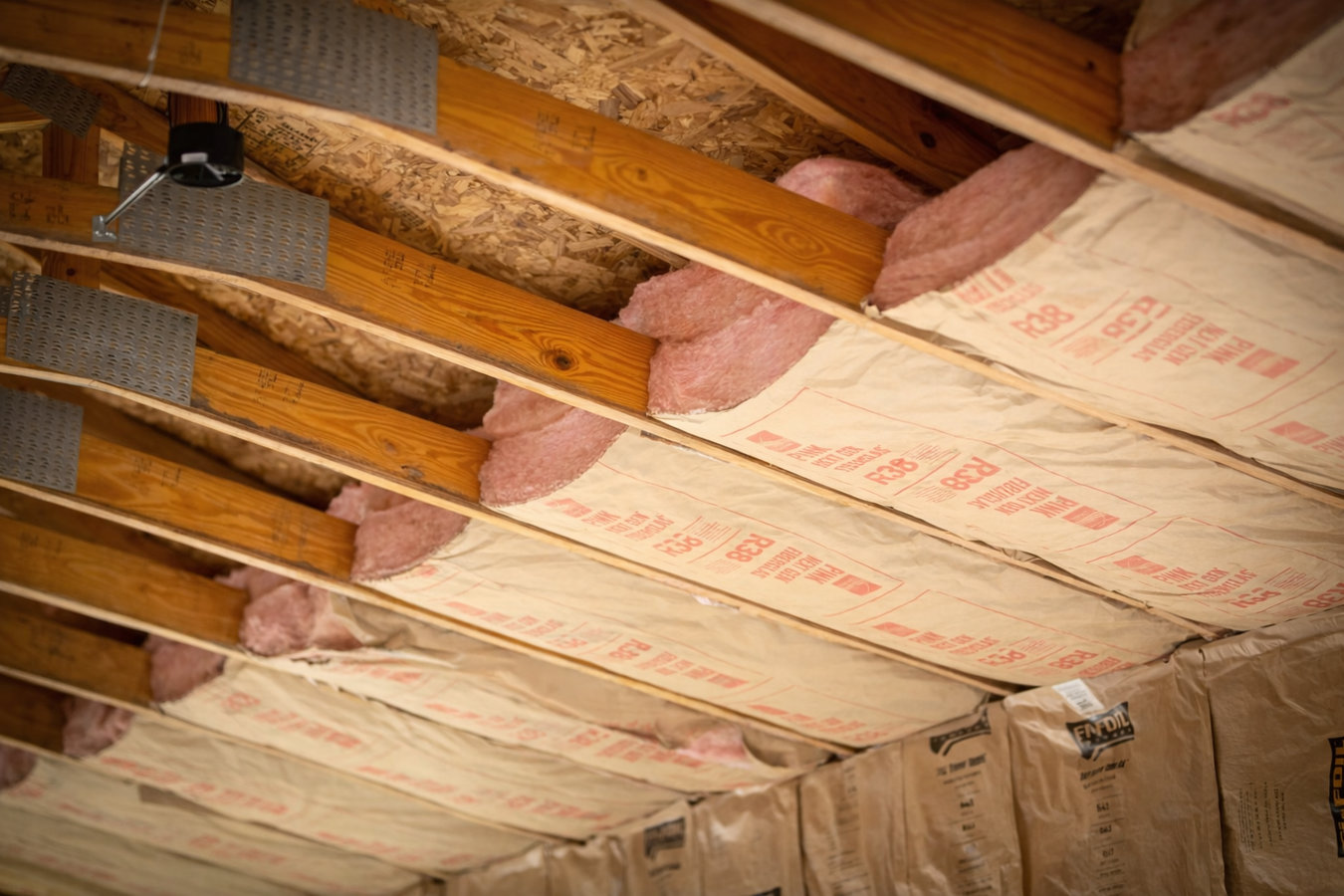
Most Austin homes lose heat through an under-insulated attic, drafty walls, or an open crawl space. We find where your home is losing the most and fix it.
Home insulation in Austin, MN slows the movement of heat through your attic, walls, floors, and crawl space, most whole-home projects are completed in a single day with no need to leave the house.
Austin sits in one of the coldest climate zones in the continental U.S. The Department of Energy recommends insulation levels for this region that are significantly higher than what most homes built before 1990 actually contain. If your home is more than 30 years old and insulation has never been upgraded, there is a strong chance you are paying to heat the outdoors every winter without knowing it.
Home insulation is the broadest service we offer - it covers the attic, walls, crawl space, and basement as a system rather than one spot at a time. If you already know your attic is the main problem, our blown-in insulation service focuses there specifically. If you are not sure where to start, a full home assessment is the right call.
If your gas or electric bill climbs sharply in fall and stays high through March, your home may be losing heat through the attic, walls, or floor. Austin winters run long, and even a modest insulation improvement can take a real bite out of your monthly bill.
If certain rooms are noticeably colder than others no matter how high you set the thermostat, insulation is likely uneven or missing in that part of the house. This is especially common in older Austin homes where additions were built at different times or rooms sit above a garage or crawl space.
During Austin's coldest stretches, condensation or frost on interior surfaces means warm indoor air is meeting a very cold wall - which only happens when insulation is not doing its job. This is not just a comfort issue; moisture inside walls can lead to mold and wood rot over time if left alone.
Most Austin homes built before the late 1980s were insulated to standards now considered well below what this climate requires. If you have never had an energy audit or insulation inspection and your home is older, there is a reasonable chance you are missing significant coverage - especially in the attic and crawl space.
We assess your home as a system and recommend the right combination of work for your specific situation. Most homes benefit from attic insulation first because that is where the largest amount of heat escapes. We offer blown-in loose-fill, batt insulation, and spray foam depending on the area and access. If your walls have little or no insulation - common in Austin homes built before 1970 - we can add coverage through small drilled access holes that get patched and painted before the crew leaves. If your crawl space or basement is pulling cold air into the floors above, our wall insulation and full-home approach covers those areas too.
Every job includes air sealing before insulation goes in. Air gaps and cracks let cold air bypass your insulation entirely - sealing them first is what makes the whole system actually work. We also handle insulation removal when old material has been damaged by moisture, animals, or just age and needs to come out before new coverage can go in. We provide documentation of all work for utility rebates and federal tax credit claims.
The highest-return upgrade for most Austin homes - covering the biggest single source of heat loss.
For older homes with little or no coverage inside exterior walls, added through small access holes.
Stops cold air from entering through the floor and reduces moisture problems below the living space.
The full package - sealing gaps first so insulation can do its job from day one.
Austin regularly sees winter lows below -20 F with wind chills that push colder. The heating season runs from October through April - six months where your furnace is working hard every single day. Most homes in Austin were built before 1970, when insulation standards were a fraction of what is recommended now. These homes have been fighting Minnesota winters at a disadvantage ever since they were built, and a single upgrade can bring their performance in line with a modern house without a renovation or a move.
Austin also experiences dozens of freeze-thaw cycles each winter, where temperatures swing above and below freezing repeatedly. That expansion and contraction opens small gaps in walls and around window frames over time, creating new pathways for cold air to bypass whatever insulation is already there. This is why homeowners in Albert Lea and Faribault face the same problem - it is a southern Minnesota reality, not a single-house quirk. We serve those areas as well and understand exactly what to look for.
We get back to you within one business day. We ask a few basic questions about your home - age, areas of concern, whether you have noticed any specific problems like high bills or cold rooms. No pressure, no sales pitch on the call.
We walk through your home and inspect the attic, crawl space, and any wall areas worth examining. We measure what is already there, check for moisture or pest damage, and identify the biggest gaps. The visit takes about 30 to 60 minutes.
You receive a written estimate that specifies the work, the materials, and the total cost - broken out so you can also use it for tax credit and rebate documentation. We do not pressure you to sign on the spot. Compare quotes if you want to.
Most attic insulation jobs in an average Austin home are completed in four to eight hours. The crew protects your floors and living areas, handles all cleanup, and does a final walkthrough with you before leaving. You do not need to leave the house.
Free in-home assessment and written estimate. We respond within one business day, no obligation.
(507) 509-6204Most contractors look at one area and quote on that. We walk through your entire home and identify where heat loss is actually coming from before recommending anything. That means the work we do addresses the real problem, not just the most obvious one.
Minnesota utilities and the federal government both offer financial incentives for insulation upgrades. We provide itemized documentation of materials and coverage so you can claim the ENERGY STAR-aligned federal tax credit and any applicable utility rebates without extra paperwork on your end.
A large share of homes in Austin were built before modern insulation standards existed. We know what those attics, walls, and crawl spaces look like from the inside - the challenges they present and the right way to address them without disrupting the structure or your daily life.
Insulation and air sealing work as a system. Adding insulation over a leaky attic floor solves only part of the problem. We seal gaps and penetrations first on every job, so the insulation we install actually performs the way it should from day one.
Choosing the right contractor for home insulation is about more than price - it is about whether the work will actually perform through Austin winters. We do it right the first time so you are not chasing the same cold drafts next January.
When old insulation is damaged, wet, or contaminated, removal comes before any new installation - we handle both in sequence.
Learn MoreTargeted wall insulation for older Austin homes with little or no coverage inside exterior walls, installed with minimal disruption.
Learn MoreThe heating season does not wait - schedule your assessment now and be ready before the first cold snap hits.