
Loading...
Serving Austin, MN and surrounding areas. (507) 509-6204
Premier Austin Insulation is an Insulation Contractor serving Austin, MN with spray foam insulation, attic insulation, and crawl space insulation - and we have been doing this work here since 2017. Our crew is locally based in Austin, which means we understand the older housing stock, Mower County winters, and the specific conditions that drive up heating bills in homes across this city.
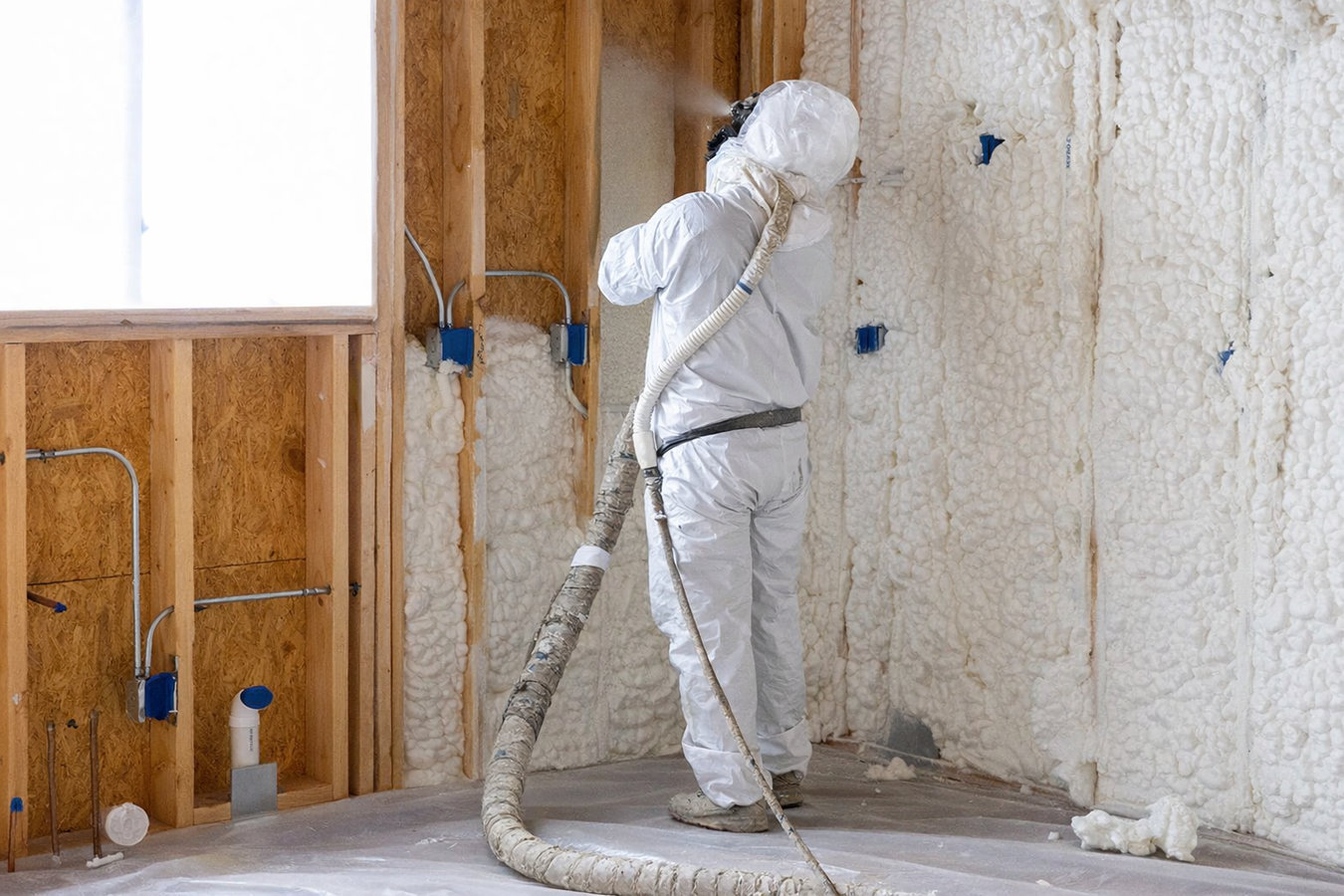
Austin homes - especially those built before 1980 - often have uninsulated rim joists and wall cavities where cold air moves freely through the winter. Spray foam fills those gaps permanently, bonding directly to the framing and creating a seal that batts simply cannot match. Learn more about spray foam insulation in Austin and how it can change what your heating bills look like.
The attic is where most Austin homes lose the most heat in winter. Mower County temperatures regularly drop below zero, and a thin or settling layer of attic insulation means your furnace runs almost constantly from October through April. Adding the right depth of blown-in insulation to your attic is one of the most cost-effective upgrades an Austin homeowner can make.
Blown-in insulation is ideal for Austin's older homes where adding coverage without tearing into walls or ceilings is important. The material fills irregularly shaped attic spaces and covers existing thin layers, bringing your home closer to the insulation levels the Department of Energy recommends for this climate zone.
The Cedar River and Mower County's clay-heavy soil mean many Austin homes deal with moisture pushing up from below, especially through the spring thaw. Properly insulating your crawl space keeps floor temperatures comfortable and protects the wood framing above it from the moisture and cold that shorten its life.
Many Austin basements were never insulated at all - they were built as utility spaces, not living areas. If your basement runs cold from November through March and your first floor feels chilly no matter what you set the thermostat to, the basement walls and rim joists are often the cause and the fix.
Insulation alone does not stop drafts - air sealing addresses the gaps around pipes, wires, and framing that let cold air flow right past even a well-insulated wall. In Austin's older wood-frame homes, where freeze-thaw cycles open up small cracks every year, combining air sealing with insulation delivers noticeably better results than insulation alone.
Austin sits in Mower County in southeastern Minnesota, where average January lows fall well below zero and the ground can freeze four feet deep. That kind of cold does not just make your house uncomfortable - it exposes every gap in your building envelope and drives up heating costs for every hour temperatures stay low. A home that was adequately insulated for 1975 energy prices is not adequate for what you pay to heat your home today.
The Cedar River runs through Austin, and Mower County's clay-heavy soil does not drain quickly. Repeated freeze-thaw cycles each spring and fall put ongoing stress on foundations, crawl spaces, and the wood framing above them. Homes near the river deal with moisture pressure from below, and older Austin homes that were never built with vapor control in mind can develop mold and wood rot silently over years. The insulation work that makes sense here is not the same as what you would do in a newer suburban home elsewhere in Minnesota - it accounts for age, moisture, and the specific demands of this climate.
Our crew has been working in Austin since 2017, pulling permits through the City of Austin building department and working on the older wood-frame homes that make up most of this city's residential stock. We encounter the same conditions on nearly every job here: rim joists that have never seen insulation, crawl spaces with no vapor control, and attics where the original fiberglass batts have settled to half their original thickness.
Austin is a city most people here know well - Hormel Foods has anchored it since 1891, and the Jay C. Hormel Nature Center on the east side is a landmark that residents have used for generations. The neighborhoods spread out from downtown along Main Street and through the residential blocks east and west of the Cedar River, and we work across all of them. If your home is near the river, we know what the spring thaw does to crawl spaces in that part of town.
We also serve homeowners in nearby communities. If you are in Albert Lea - about 25 miles south of Austin on I-90 - we cover that area regularly as well. Reach out and we can confirm availability for your location.
You contact us by phone or through the contact form. We will respond within 1 business day. We ask a few basic questions - your home's age, what areas concern you, and whether you've noticed any moisture or draft issues - so we come prepared.
We visit your Austin home, walk through the attic, basement, crawl space, or wherever you need help, and measure what is already there. We will tell you plainly what we find and give you a written estimate that breaks down costs by area - no pressure to sign on the spot.
Our crew arrives with the right equipment for your project and works through the agreed areas. Most Austin jobs are completed in a single day. If spray foam is involved, plan to be out of the home for 24 hours after spraying - your contractor will confirm the re-entry time in advance.
Before we leave, we walk through the finished work with you and answer any questions. You receive documentation of what was installed - useful for utility rebate applications, federal tax credit claims, and future home sales.
We work throughout Austin and Mower County. Reach out today and we will schedule your free on-site estimate - no obligation, no pressure, just an honest assessment of what your home needs.
(507) 509-6204Austin is a city of about 26,000 people in Mower County, sitting in the far south of Minnesota roughly 100 miles from the Twin Cities. The city is anchored by Hormel Foods, which has been headquartered here since 1891 and earned Austin its nickname - SPAM Town USA. The SPAM Museum on Main Street is a free attraction that draws visitors from across the country. The Jay C. Hormel Nature Center on the east side of the city offers 300 acres of trails and is a year-round destination for Austin families.
The housing stock here is predominantly single-family homes, and a large share were built before 1970. These are working-class, long-held properties on modest lots - wood-frame construction with original or re-sided exteriors, garages, full basements, and in many cases crawl spaces that have never been properly insulated. Neighborhoods spread out from downtown toward the Cedar River and through the established residential blocks that define most of Austin's character. If you are nearby in Owatonna to the north or in other surrounding communities, we serve those areas too.
High-density closed-cell foam for superior moisture and thermal resistance.
Learn MoreBlock moisture and protect your crawl space with a vapor barrier.
Learn MoreCall us or send a message and we will schedule your free assessment at a time that works for you. No pressure - just an honest look at what your home needs.