
Loading...
Serving Austin, MN and surrounding areas. (507) 509-6204
Premier Austin Insulation is an Insulation Contractor serving Stewartville, MN with crawl space insulation, attic insulation, and spray foam insulation - and we have been doing insulation work across southeastern Minnesota since 2017. Stewartville has a mix of mid-century ranch homes and newer subdivisions off Highway 63, and we understand how the karst geology under Olmsted County and the area's clay-heavy soils create unique moisture and settling challenges for both older and newer construction.
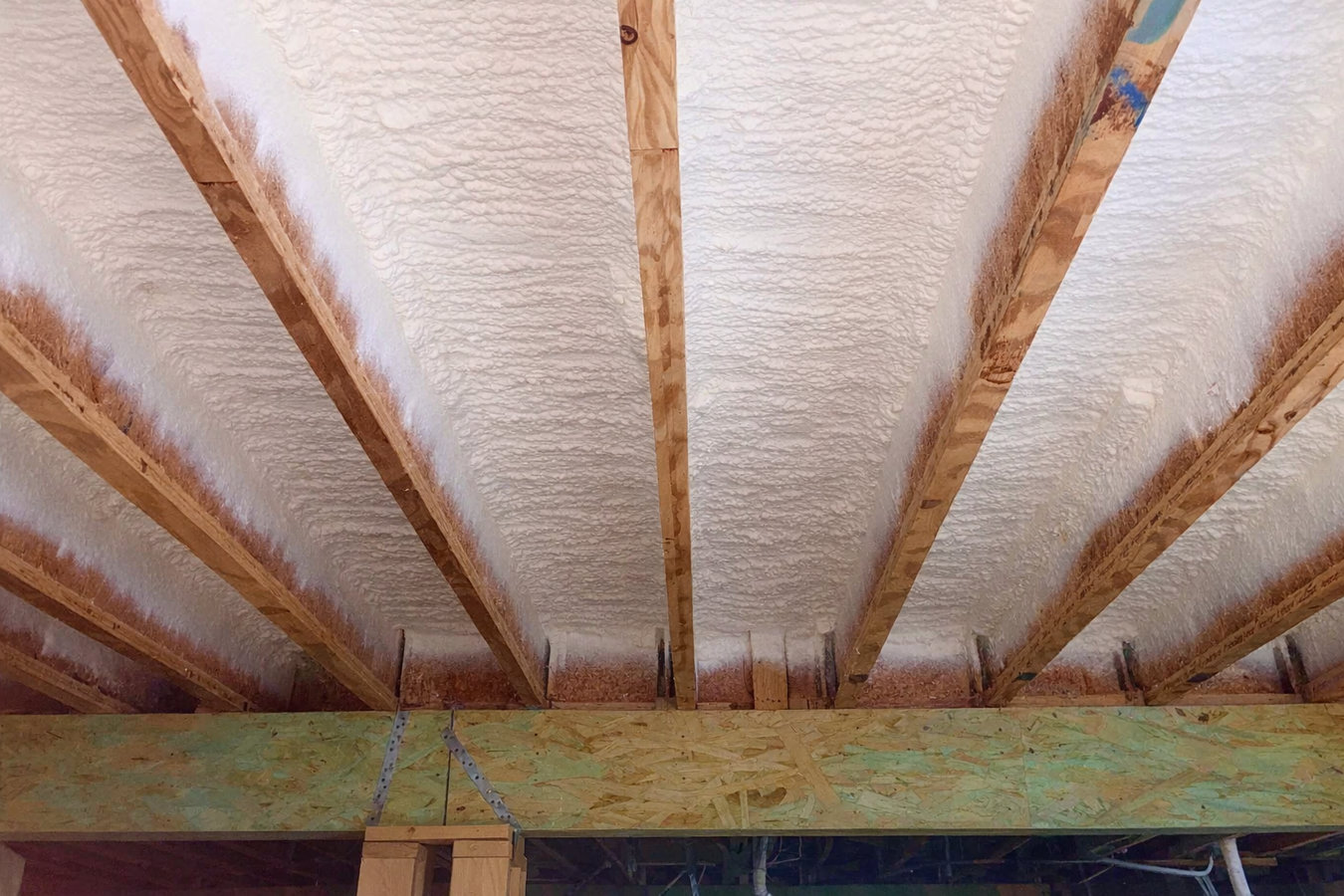
Ranch-style homes from the 1950s through 1970s are common in Stewartville's established neighborhoods, and most of them were built with crawl spaces that have never been properly insulated or vapor-managed. The clay-heavy soils in Olmsted County hold spring snowmelt moisture against foundations for weeks, and an unprotected crawl space channels that cold and moisture directly into the floor framing. Crawl space insulation with a ground-level vapor barrier is the fix that stops cold floors, musty smells, and the slow wood rot that comes from decades of ignored moisture. Learn more about crawl space insulation and how the installation process works under an existing home.
Stewartville averages 45 to 50 inches of snow per year and sees winter temperatures that drop well below zero - conditions that put this area in Minnesota Climate Zone 6 and demand far more attic insulation depth than virtually any Stewartville home from the mid-20th century currently has. Ranch and split-level homes have large attic floor areas relative to their living space, which means more surface area through which heat escapes. Getting the attic to the right depth for this climate zone stops that heat loss and eliminates the uneven roof temperatures that lead to ice dams.
Stewartville sits on karst limestone terrain, and foundations in this area can settle in irregular ways that leave variable gaps around rim joists, pipe penetrations, and the junction between the foundation wall and the sill plate. Spray foam bonds directly to those irregular surfaces, seals every gap regardless of shape, and acts as a vapor retarder - which matters in a high-moisture soil environment. For homes where the foundation has shifted even slightly over the years, spray foam outperforms rigid board insulation because it conforms to the actual surface rather than the surface as it was originally built.
Stewartville's older ranch and split-level homes have low attic heights and complex transitions where the roof meets knee walls, which creates more places for air to move between the living space and the attic than you find in a standard two-story home. Air sealing those junctions before insulation is installed is what makes the insulation actually work - without it, the new material slows heat movement but cannot stop air from bypassing it entirely through open gaps. Stewartville's deep freeze-thaw cycles gradually open new gaps over time, so air sealing on homes that have gone decades without attention is almost always a significant step.
Stewartville homes with full basements - more common in newer construction from the 1990s and 2000s - deal with the same clay soil drainage challenges as the rest of Olmsted County. Uninsulated basement walls lose heat throughout the winter, and the rim joist area where the floor framing meets the foundation is one of the single largest sources of air infiltration in a Minnesota home. Insulating basement walls and rim joists with spray foam or rigid board reduces both the heat loss and the condensation risk on cold surfaces during spring and summer humidity swings.
Clay soils in Olmsted County expand when wet and shrink when dry, which puts cyclical pressure on foundations and keeps ground moisture elevated near the structure through much of the year. A crawl space without a vapor barrier on the ground surface allows that moisture to evaporate upward into the floor framing, promoting mold and wood rot from below. A properly installed, overlapping vapor barrier keeps ground moisture below the structure and protects the insulation and framing installed above it from the seasonal moisture cycling that is a normal part of this region's climate.
Stewartville is a city of about 6,500 to 7,000 people in Olmsted County, sitting roughly 12 miles south of Rochester along U.S. Highway 63. The housing stock spans a wide range of eras - from ranch and split-level homes built in the 1950s through the 1970s to newer two-story colonials in subdivisions constructed in the 1990s and 2000s. The older homes were built to insulation standards that are now considered well below what Minnesota's Climate Zone 6 demands, and most have never had their attic depth or crawl space conditions updated. The newer homes are reaching the 15-to-25-year mark, the age when original roofing, mechanical systems, and insulation all start to show their first signs of wear and often benefit from a first major upgrade. The broad cross-section of home ages means insulation needs in Stewartville vary a lot by neighborhood, and a contractor who knows the local housing stock can give you a realistic picture of what your specific home actually needs.
The geology under Stewartville adds a local wrinkle that most homeowners are not aware of until a contractor points it out. Olmsted County is underlain by karst limestone, which dissolves and shifts over time in ways that can cause foundations to settle unevenly and drainage around homes to behave unpredictably. That irregular settling opens new gaps around rim joists and sill plates that would not exist in an area with stable, uniform soil. Combined with the clay-heavy soils that surround Stewartville's residential areas and the deep frost-heave cycles that come with 45 to 50 inches of annual snow, foundation and crawl space conditions here require a contractor who pays attention to what is actually happening below grade - not just what the building plans originally called for.
Our crew works throughout Stewartville regularly, and we understand the local conditions that affect insulation work here. Permit questions for residential insulation in Stewartville are handled through the City of Stewartville, and we know which project types require a review before starting. We encounter a consistent pattern in Stewartville's older ranch homes - attic insulation settled to two or three inches, crawl spaces that were never touched after the home was built, and foundation gaps that have opened up over decades of freeze-thaw cycling on karst ground.
Highway 63 runs straight through the city and is the main road most Stewartville residents use to get to Rochester and back. The established neighborhoods near downtown Stewartville and around Stewartville High School - home of the Tigers - have the oldest housing stock and the most consistent need for insulation upgrades. The newer subdivisions on the north and east sides of town, closer toward Rochester, are hitting the age where attic and crawl space conditions benefit from a first professional inspection.
We also serve the communities around Stewartville. If you are in Rochester, just 12 miles north on Highway 63, we cover that area as well. We work throughout southeastern Minnesota and understand how the local geology, climate, and housing stock shape what each home actually needs.
Reach us by phone or through the contact form and we will respond within one business day. Tell us what you are noticing - cold floors, high heating bills, a musty crawl space smell - and we schedule a time to come take a look.
A crew member visits your Stewartville home, inspects the attic, crawl space, and basement, measures current insulation depth, and checks for moisture or air infiltration issues. You get a written quote with clear pricing before any work is scheduled.
The crew arrives with the right equipment, seals air gaps first, then installs the insulation to the depth specified in your quote. You do not need to leave the house, but children and pets should stay out of the work area.
When the work is done, we walk you through what was installed, show you the depth markers in the attic so you can verify coverage yourself, and answer any questions. We are reachable by phone if anything comes up after we leave.
We serve Stewartville and the surrounding Olmsted County area. Free on-site estimates, no obligation - call or fill out the form and we will respond within one business day.
(507) 509-6204Stewartville is a city of about 6,500 to 7,000 people in Olmsted County, about 12 miles south of Rochester on U.S. Highway 63. The city has its own identity separate from Rochester - its own schools, parks, and downtown, with residents who identify with Stewartville specifically rather than treating it as a bedroom suburb. The residential neighborhoods near downtown and around Bear Cave Park contain the older housing stock from the mid-20th century, with ranch and split-level homes on modest lots as the dominant type. The north and east edges of town have newer subdivisions from the 1990s and 2000s, with two-story and colonial-style homes that are reaching the point where first major maintenance is due.
Stewartville Public Schools and their Tiger athletic programs are a strong anchor for community identity here, and the school district draws families who plan to stay long-term - which translates to homeowners who want investments in their properties that hold up over years, not quick fixes. We serve the full Stewartville community as well as nearby Faribault to the northwest and the other cities we cover throughout southeastern Minnesota. Whether your home is in the older neighborhoods near downtown or in a newer subdivision on the north end of town, we know what Stewartville properties actually look like and what they need.
High-density closed-cell foam for superior moisture and thermal resistance.
Learn MoreBlock moisture and protect your crawl space with a vapor barrier.
Learn MoreCall us or fill out the form. We respond within one business day and serve the full Stewartville and Olmsted County area.