
Loading...
Serving Austin, MN and surrounding areas. (507) 509-6204
Premier Austin Insulation is an Insulation Contractor serving New Ulm, MN with retrofit insulation, attic insulation, and spray foam insulation - and we have been doing insulation work across south-central Minnesota since 2017. New Ulm has a large share of pre-1960 homes, many with brick or masonry construction that transfers cold directly without proper interior insulation, and we know how to upgrade those structures without tearing apart original materials.
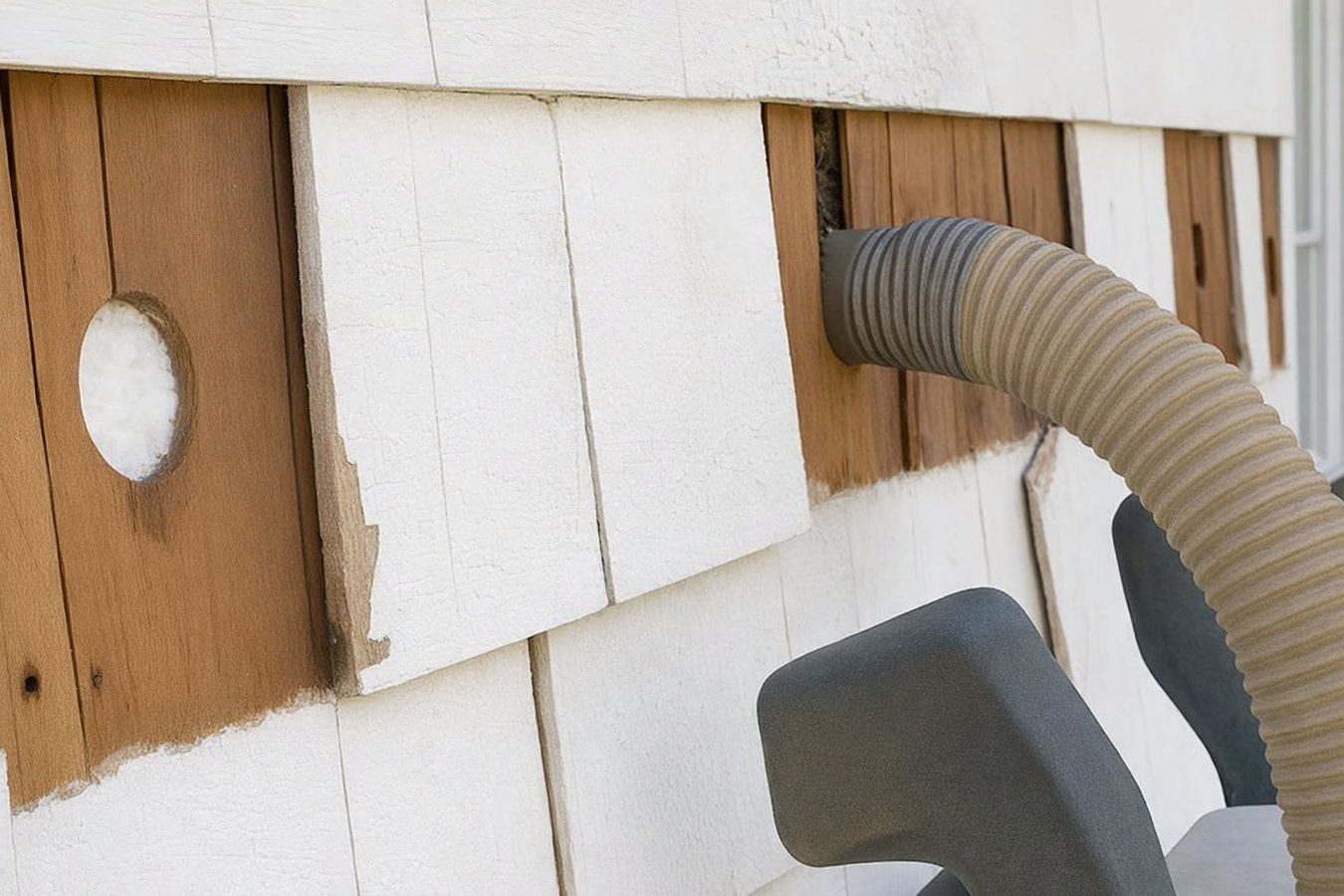
New Ulm has a large share of homes built before 1960, many from the early 1900s, when virtually no wall insulation was installed and attic coverage was minimal by today's standards. Retrofit insulation - adding material to a home that is already built - is the practical solution for owners of these older properties who want real energy savings without a full renovation. Blown-in and injection methods fill existing wall cavities and attic floors without requiring demolition of original plaster, brick, or woodwork. Learn more about retrofit insulation and what the upgrade process looks like for an older Minnesota home.
Brick and stone foundations common throughout New Ulm's older neighborhoods have irregular mortar joints and small gaps that rigid insulation cannot seal completely. Spray foam bonds directly to those uneven masonry surfaces, fills every void, and acts as a vapor retarder - which matters for New Ulm homes where clay-heavy soils hold spring snowmelt moisture against foundation walls for weeks. Applied to rim joists and basement walls, it handles the air sealing and insulation in a single step.
New Ulm winters are cold enough to put this region in Minnesota's Climate Zone 6, which calls for significantly more attic insulation depth than most older homes currently have. Homes built before the 1970s typically have original insulation that has settled, compressed, or was never installed to adequate depth. Getting the attic to the right depth for this climate keeps the roof deck cold in winter - preventing the uneven snow melt at the eave line that leads to ice dam formation and eventual water damage.
Blown-in insulation installs through small holes drilled in the exterior or interior without opening up walls from the inside - which matters a great deal in New Ulm's older homes with original plaster and brick that owners want to preserve. It fills wall cavities completely, including irregular spaces around framing that older construction methods left open. For the early 20th-century homes on New Ulm's established residential streets, this is usually the best path to meaningful thermal improvement without damaging character-defining interior finishes.
New Ulm sits near the Minnesota River, and spring snowmelt sends a lot of water through the region's clay soils quickly - soils that do not drain fast and can keep moisture elevated near foundations for weeks. Crawl spaces beneath older homes in these conditions rarely have any insulation or vapor management, which allows cold ground air and moisture to move directly into the floor framing above. Crawl space insulation with a vapor barrier installed on the ground surface addresses both problems and protects the wood structure from seasonal moisture damage.
New Ulm's freeze-thaw cycles in fall and spring - temperatures crossing above and below freezing repeatedly through those shoulder seasons - gradually open gaps in framing, masonry mortar, and anywhere two building materials meet. Air sealing before insulation is installed captures those openings and is the step that determines whether new insulation actually delivers the energy savings it should. In older New Ulm homes built without modern tight-construction practices, proper air sealing often makes a bigger difference than the insulation material itself.
New Ulm is a city of about 13,000 people in Brown County in south-central Minnesota. It is a self-contained community - not a suburb pulling commuters from a larger metro - and people here tend to own their homes for a long time. That long-term ownership culture means homeowners generally want to invest in work that protects the home over years, not just patch problems temporarily. The housing stock reflects the city's history: New Ulm was founded by German immigrants in the 1850s, and the brick construction, steep-pitched rooflines, and masonry details of that tradition shaped the city's older neighborhoods throughout the late 1800s and early 1900s. A large portion of New Ulm's homes were built before 1960, before modern insulation codes existed, and many of those properties have brick or stone foundations and walls that conduct cold directly without any interior thermal barrier. Employers like 3M and Associated Milk Producers keep residents rooted locally, which reinforces that investment-minded approach to home maintenance.
New Ulm winters are consistently cold, with temperatures dropping below zero multiple times each season and frost penetrating 4 to 5 feet into the ground in a hard year. The Minnesota River runs near the city, and spring snowmelt sends large volumes of water through the region's clay soils faster than they can drain. Low-lying properties near the river corridor deal with seasonal moisture against foundation walls from spring through early summer - a pattern that has been repeating for as long as these homes have been standing. For older brick and masonry homes with no modern vapor management, that repeated moisture cycling creates maintenance demands that start at the foundation and work upward. The newer subdivisions built on the city's edges from the 1980s through the 2000s have different challenges - wood-frame construction on larger lots where the primary issue is typically under-insulated attics and rim joists rather than masonry walls - so the work looks different depending on which part of New Ulm you live in.
Our crew works throughout New Ulm regularly, and the two distinct types of housing stock here require two different approaches. The older brick homes near downtown and in the established blocks surrounding the Glockenspiel and Hermann Monument need blown-in wall insulation and spray foam basement work done carefully around masonry surfaces - you cannot apply the same methods you would use on a newer wood-frame home and get good results. The newer subdivisions on the north and east sides of town are more straightforward but have their own patterns, usually under-insulated attics and unaddressed rim joists. We pull permits through the City of New Ulm when the project requires it and know what thresholds trigger permit requirements for insulation work in Brown County.
New Ulm is recognizable to anyone who works here. The Schell's Brewery campus has been part of the city since 1860, and the historic character of the older neighborhoods around downtown is something residents clearly value and protect. Highway 14 connects New Ulm to the broader region, and the city's position near the Minnesota River shapes both the drainage patterns and the spring moisture conditions that affect foundations and crawl spaces throughout the lower-lying parts of town.
We serve nearby communities throughout this part of south-central Minnesota as well. Homeowners in Mankato, about 35 miles to the northeast, are on our regular service schedule, and we work throughout Waseca and surrounding Brown County communities as well.
Call us or submit the contact form and we will respond within 1 business day. We will ask about your home's age, what you are noticing - high bills, cold rooms, drafts near the floor - and what areas have already been updated so we come to the assessment prepared.
We inspect the attic, basement, crawl space, and rim joists to identify where heat is escaping and where air is getting in. For older New Ulm homes, this often turns up uninsulated brick walls and foundation areas that have never been addressed. You get a clear written estimate before any work is scheduled - no pressure, no obligation.
Most New Ulm projects are completed in one to two days. We address air gaps before installing insulation material - the sequence matters, especially in older homes where skipping air sealing leaves the insulation underperforming. We work around original materials carefully and clean up before leaving.
Before we leave, we walk you through the finished work and explain which utility rebate programs may apply to the materials installed. We provide documentation you can use to file rebate claims. If anything comes up after we leave, call us directly and we will take care of it.
We serve New Ulm, MN homeowners with free on-site estimates and honest assessments. Call us or fill out the form and we will respond within 1 business day.
(507) 509-6204New Ulm is a city of about 13,000 people in Brown County in south-central Minnesota, founded in the 1850s by German immigrants and shaped by that heritage in ways that are still visible throughout the city today. The older residential neighborhoods near downtown are full of brick homes, masonry foundations, and steeply pitched rooflines that reflect the German-influenced construction methods of the late 1800s and early 1900s. The Hermann Monument - a 102-foot statue of Hermann of the Cherusci standing on a hill above the city - is one of the most recognized landmarks in all of southern Minnesota. The August Schell Brewing Company, operating continuously in New Ulm since 1860, and the Glockenspiel clock tower downtown are institutions that most locals know by name. Major employers like 3M and Associated Milk Producers provide stable, long-term employment that keeps residents invested in their properties for years at a time.
The city sits near the confluence of the Cottonwood River and the Minnesota River, and the surrounding landscape is agricultural - open fields, rolling terrain, and a river corridor that influences drainage and spring moisture conditions throughout the lower parts of the city. Newer subdivisions built from the 1980s through the 2000s extend the city's footprint on the north and east sides, with wood-frame construction on larger lots that contrasts sharply with the tight, dense older neighborhoods near the center of town. We also serve homeowners in nearby Mankato, the larger regional city to the northeast along the Minnesota River, and in Owatonna, which has a comparable mix of older and newer housing stock in southern Minnesota.
High-density closed-cell foam for superior moisture and thermal resistance.
Learn MoreBlock moisture and protect your crawl space with a vapor barrier.
Learn MoreCall us or fill out the form and we will schedule a free on-site assessment at your New Ulm home. We respond within 1 business day and there is no obligation to proceed.