
Loading...
Serving Austin, MN and surrounding areas. (507) 509-6204
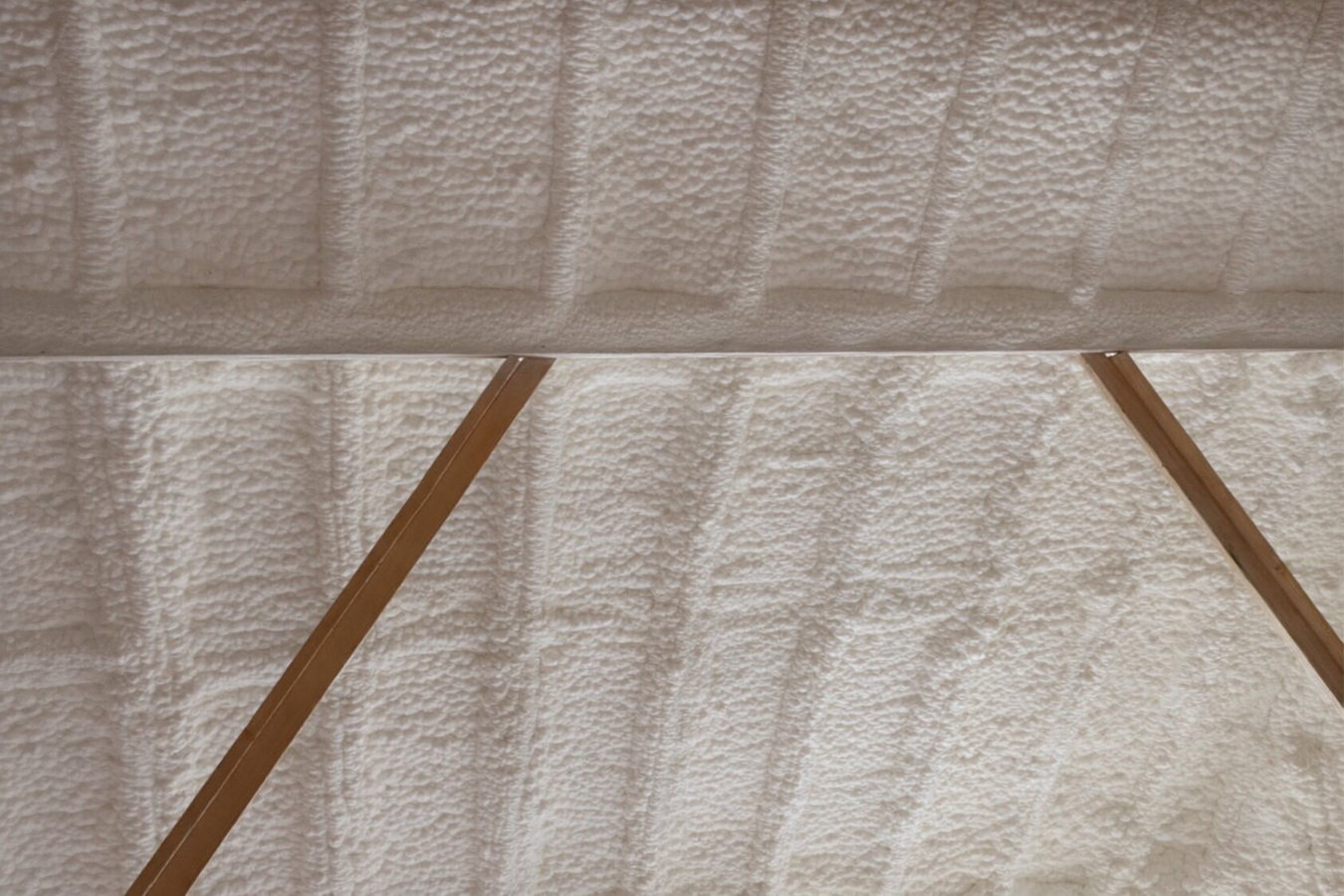
Older Austin homes leak heat through wall cavities and hidden gaps. Open-cell foam fills every crack and cuts your heating bills starting this winter.
Open-cell foam insulation in Austin seals air leaks and insulates at the same time, expanding to fill wall cavities, attic floors, and crawl spaces in a single pass. Most residential jobs take one day, and the results are visible within the first heating season.
If your Austin home was built before the 1980s, the wall cavities likely have gaps that fiberglass batts cannot reach. Open-cell spray foam is a soft, expanding material that fills irregular shapes around pipes, wires, and framing, stopping the drafts at their source. Many homeowners also benefit from pairing this service with commercial insulation for any attached business space or outbuilding on the property.
Austin winters are long, and the older the home, the more heat it loses through hidden pathways in the building envelope. We assess the specific areas that are costing you money and give you a written quote before any work begins.
If your gas bill has crept up year over year and your furnace seems to run almost constantly through Austin winters, your home is likely losing heat faster than it should. This often means insulation is inadequate or air is leaking through gaps in the walls or attic. Open-cell foam addresses both problems at once.
In Austin older homes, uneven temperatures from room to room often point to missing insulation in specific wall cavities. If one bedroom feels like a walk-in freezer in January while the rest of the house is comfortable, that area needs attention. A contractor can pinpoint exactly where the problem is before work begins.
Hold your hand near an electrical outlet on an exterior wall on a cold day. If you feel a draft, air is moving through the wall cavity. This is especially common in Austin's older balloon-frame homes, where cavities were never properly sealed. Open-cell foam injected into those cavities stops the draft at its source.
Ice dams, those thick ridges of ice at the edge of your roof, happen when heat escapes through your attic, melts snow, and then refreezes at the cold eaves. They are a direct sign that your attic floor is not insulated well enough. In Austin, where heavy snow and sustained cold are normal, ice dams are a recurring problem for homes with inadequate attic insulation.
We install open-cell spray foam in attics, exterior walls, rim joists, and crawl spaces across Austin and southern Minnesota. The foam expands to fill every gap, sealing air leaks and building up insulation value in a single step. For homes where closed-cell foam makes more sense, such as spaces where thickness is tight, we offer closed-cell foam insulation as an alternative with a higher R-value per inch.
Business owners in Austin with warehouses, offices, or mixed-use buildings can also benefit from open-cell foam as part of a broader commercial insulation project. We assess the full building envelope, recommend the right material for each application, and provide a written scope before any work starts.
Best for homeowners losing heat through the ceiling and dealing with ice dams in Austin winters.
Suited to older Austin homes with balloon-frame construction where drafts move freely through wall cavities.
Ideal for any home with a cold basement or crawl space where air leaks in at the foundation line.
Works well for homes where the crawl space walls and rim joists need to be sealed rather than the floor above.
Austin sits in a climate zone where winter temperatures regularly drop well below zero. The Minnesota Department of Commerce recommends attic insulation levels that are among the highest in the country for this region, meaning most older homes are running well short of what is needed. Open-cell foam is particularly well-suited to Austin because so many homes here were built before modern energy codes, with wall cavities and attic spaces that have never been properly sealed. Homeowners near Owatonna and those in Waseca face the same long heating season and the same aging housing stock, and we serve both communities.
Because Austin is a smaller city, the number of insulation contractors serving the area is limited compared to larger markets. During peak booking seasons, fall before the heating season and early spring, the best contractors book up quickly. Reaching out four to six weeks in advance gives you more options. Natural gas prices in Minnesota have been volatile in recent years, and a well-insulated home simply needs less fuel to stay comfortable, which reduces your exposure to future price swings. The investment pays back faster here than in milder climates because the heating season runs from October through April.
We reply within one business day. You tell us what area you want insulated and what problem you are trying to solve, whether that is high bills, cold rooms, or ice dams.
We walk the areas to be insulated, look at what is already there, and check for any conditions that need addressing before foam goes in. This visit takes about 30 to 60 minutes.
You receive a written estimate that breaks down the area, the foam thickness, and the total cost. No pressure to sign on the spot, and no surprise charges on job day.
The crew arrives, masks off surfaces, and applies the foam in passes. Before they leave, we walk you through the finished work so you can see the coverage with your own eyes.
Free in-home estimate. No pressure. We reply within one business day.
(507) 509-6204A significant share of Austin homes were built before modern insulation standards existed, many with balloon-frame construction that creates hidden air pathways from basement to attic. We know how to work in those buildings without causing damage and how to seal them properly.
Minnesota sits in one of the highest-demand climate zones in the country for insulation. We apply open-cell foam at depths calibrated to the state's recommendations, not a national average, so your home actually holds heat the way it should.
We follow installation guidelines recognized by the Spray Polyurethane Foam Alliance, the national trade organization for spray foam contractors. That means safe application, proper off-gassing time communicated upfront, and work you can verify when we are done.
Every project starts with a written estimate that lists the area, the foam thickness, and the full cost. You know exactly what you are paying for before we start, and the final invoice matches what we quoted.
Every job we do in Austin is backed by a transparent process from first call to final walkthrough. We work on older homes every day and know the specific problems this housing stock presents.
Energy-efficiency guidance for Minnesota homeowners is published by the Minnesota Department of Commerce.
Open-cell and spray foam options scaled for office buildings, warehouses, and other commercial spaces across southern Minnesota.
Learn MoreHigher R-value per inch for spaces where thickness is limited, including rim joists, crawl space walls, and exterior assemblies.
Learn MoreHeating season books up fast - reach out now and lock in your installation date before the calendar fills.