
Loading...
Serving Austin, MN and surrounding areas. (507) 509-6204
Premier Austin Insulation is an Insulation Contractor serving Waseca, MN with blown-in insulation, attic insulation, and crawl space insulation - and we have been doing insulation work across south-central Minnesota since 2017. Waseca has a large share of homes built before 1970, many sitting close to Clear Lake where ground moisture is a real factor, and we know what those properties actually need to stay warm and dry through a Minnesota winter.
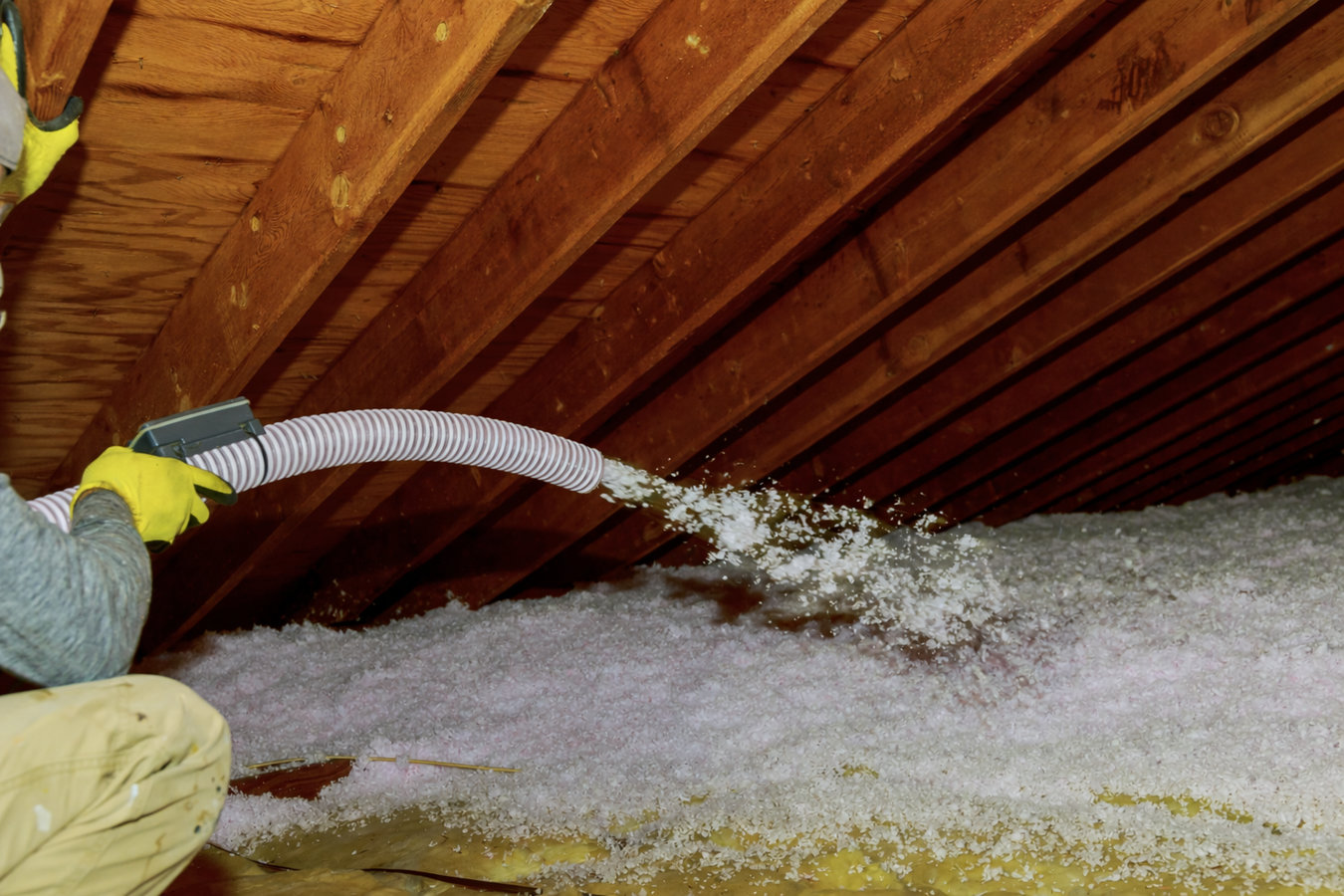
A large share of Waseca homes were built before 1970, when attic insulation was installed to depths that fall well short of what Minnesota Climate Zone 6 actually requires. Blown-in insulation fills those attics completely - including tight corners near the eaves where batts cannot reach - without requiring you to tear out ceilings or disturb original plaster. For homes near Clear Lake where humidity is a seasonal factor, cellulose blown-in material also manages moisture better than older fiberglass batts. Learn more about blown-in insulation and how the installation process works in an existing home.
Waseca winters routinely see temperatures below zero, and the attic is where the most heat escapes from under-insulated older homes. Ice dams - those ridges of ice at the roof edge that force water under shingles - are a common complaint from Waseca homeowners, and they almost always trace back to an attic that is too warm because heat is escaping from below. Getting the attic to the depth recommended for this climate zone keeps the roof surface cold and even all winter, which prevents that melting and refreezing cycle before it starts.
Waseca sits near Clear Lake and Loon Lake, and the clay-heavy soils in this part of Waseca County hold snowmelt and rain against foundations far longer than sandier soils elsewhere. Crawl spaces in these conditions without insulation or vapor management allow cold, moist ground air to move directly into the floor framing above - cold floors in winter and musty smells year-round are the most common signs. Crawl space insulation paired with a ground-level vapor barrier addresses both problems at once.
Waseca's older wood-frame homes have accumulated decades of small gaps where framing members meet, pipes pass through plates, and recessed fixtures create unintended openings into the attic. Air sealing closes those gaps before insulation goes in - and it is the step that determines whether new insulation actually delivers the savings it should. In homes built before 1970, proper air sealing at the attic floor often makes a bigger difference on the heating bill than the insulation material itself.
Waseca home foundations - many of them poured concrete or block from the mid-20th century - have mortar joints, pipe penetrations, and rim joist gaps that rigid insulation cannot seal tightly. Spray foam bonds directly to those irregular surfaces, seals every gap, and acts as a vapor retarder, which matters for basements in a high-moisture soil environment like Waseca's. Applied to rim joists and basement walls, it handles the air sealing and insulation in a single application.
Near-lake properties in Waseca deal with persistently elevated ground moisture through the spring and summer. Without a vapor barrier on the crawl space or basement floor, that moisture migrates upward into the wood structure above and contributes to mold, rot, and musty odors that can spread into the living space. A properly installed, overlapping vapor barrier keeps the ground moisture where it belongs - below the structure - and extends the life of the framing and insulation installed above it.
Waseca is a small city of about 9,400 people in south-central Minnesota, and it serves as the county seat of Waseca County. A large share of the homes here were built before 1970 - many dating to the early and mid-20th century - and those homes were constructed with insulation standards that fall well short of what Minnesota's cold climate actually demands. The area sits in Climate Zone 6, where the Department of Energy recommends attic insulation depths that virtually no pre-1970 home currently meets without an upgrade. Those older homes also tend to have wood-frame walls with little or no interior wall insulation, and many have original clapboard siding re-covered with aluminum or vinyl over the years - hiding moisture issues underneath that a contractor working on these properties has to know to look for.
The proximity of Waseca's residential neighborhoods to Clear Lake and Loon Lake adds a moisture dimension that you don't find in inland communities at the same elevation. Homes within a few blocks of the water sit on clay-heavy glacial soils that drain slowly, and those soils hold moisture against foundations and crawl spaces for weeks after a spring thaw or a heavy rain. That elevated ground moisture means any crawl space or basement that lacks proper insulation and vapor management is at higher risk of condensation, wood rot, and the kind of musty odor that is hard to trace until a contractor gets underneath the house. Waseca winters also average 40 to 45 inches of snow and regularly see stretches of sustained below-zero cold - which means the thermal performance demand on these homes is real and continuous from November through March.
Our crew works throughout Waseca regularly, and we understand the local conditions that affect insulation work here. Permit questions for residential insulation in Waseca are handled through the City of Waseca or Waseca County depending on the scope of work, and we know which projects require review before starting. We encounter a consistent pattern in older homes across Waseca - original attic insulation that has settled to two or three inches, virtually no wall insulation, and crawl spaces that were never touched after the home was built.
Highway 14 runs through the center of town and connects Waseca to the surrounding communities we serve across the region. The neighborhoods near Clear Lake tend to have older homes on smaller lots, while the south side of Waseca has more post-war construction with somewhat better original insulation - though still well below current standards. The Waseca County Courthouse area marks the historic center of the older residential neighborhood where we most often find homes that need the most attention.
We also serve the communities nearby. If you are in Owatonna, about 25 miles north on Interstate 35, we cover that area as well. We work regularly throughout south-central Minnesota and understand the housing stock and climate conditions that shape insulation needs across the whole region.
Reach us by phone or through the contact form and we will respond within one business day. You tell us what you are noticing - cold floors, high heating bills, ice dams - and we schedule a time to come take a look.
A crew member visits your Waseca home, inspects the attic, crawl space, and basement, and measures what is actually there. You get a clear written quote before any work is scheduled - no pressure and no obligation.
The crew arrives with the equipment, seals any air gaps first, then installs the insulation to the depth specified in your quote. You do not need to leave the house, though children and pets should stay out of the work area.
When the job is done, we walk you through what was installed and answer any questions. Depth markers stay visible in the attic so you can verify coverage yourself. If any questions come up after we leave, we are reachable by phone.
We serve Waseca and the surrounding area. Free estimates, no obligation - call us or fill out the form and we will get back to you within one business day.
(507) 509-6204Waseca is a small city in south-central Minnesota that serves as the county seat of Waseca County. The city of about 9,400 people has a settled, owner-occupancy character - most residents are long-term homeowners rather than renters, and the community has a strong tradition of taking care of properties over the long haul. The residential neighborhoods closest to Clear Lake contain the oldest housing stock, with homes dating to the early 1900s featuring original wood framing and clapboard or brick exteriors. Newer streets on the south side of town have post-war and mid-century construction, with aluminum or vinyl siding common throughout. The Waseca County Courthouse anchors the historic center of the older downtown residential neighborhood.
The city sits at the edge of several lakes, and the outdoor recreation around Clear Lake and Loon Lake draws residents to the water year-round. Agriculture and food manufacturing have driven Waseca's economy for generations, and the practical, value-conscious outlook that comes with that kind of community shapes how homeowners think about home improvement spending - they want work done right and want it to last, not patched and called good. We serve the full Waseca community as well as the nearby communities of Austin to the southeast and the other cities we cover throughout the region.
High-density closed-cell foam for superior moisture and thermal resistance.
Learn MoreBlock moisture and protect your crawl space with a vapor barrier.
Learn MoreCall us or submit the form and we will get back to you within one business day. No obligation, no pressure.