
Loading...
Serving Austin, MN and surrounding areas. (507) 509-6204
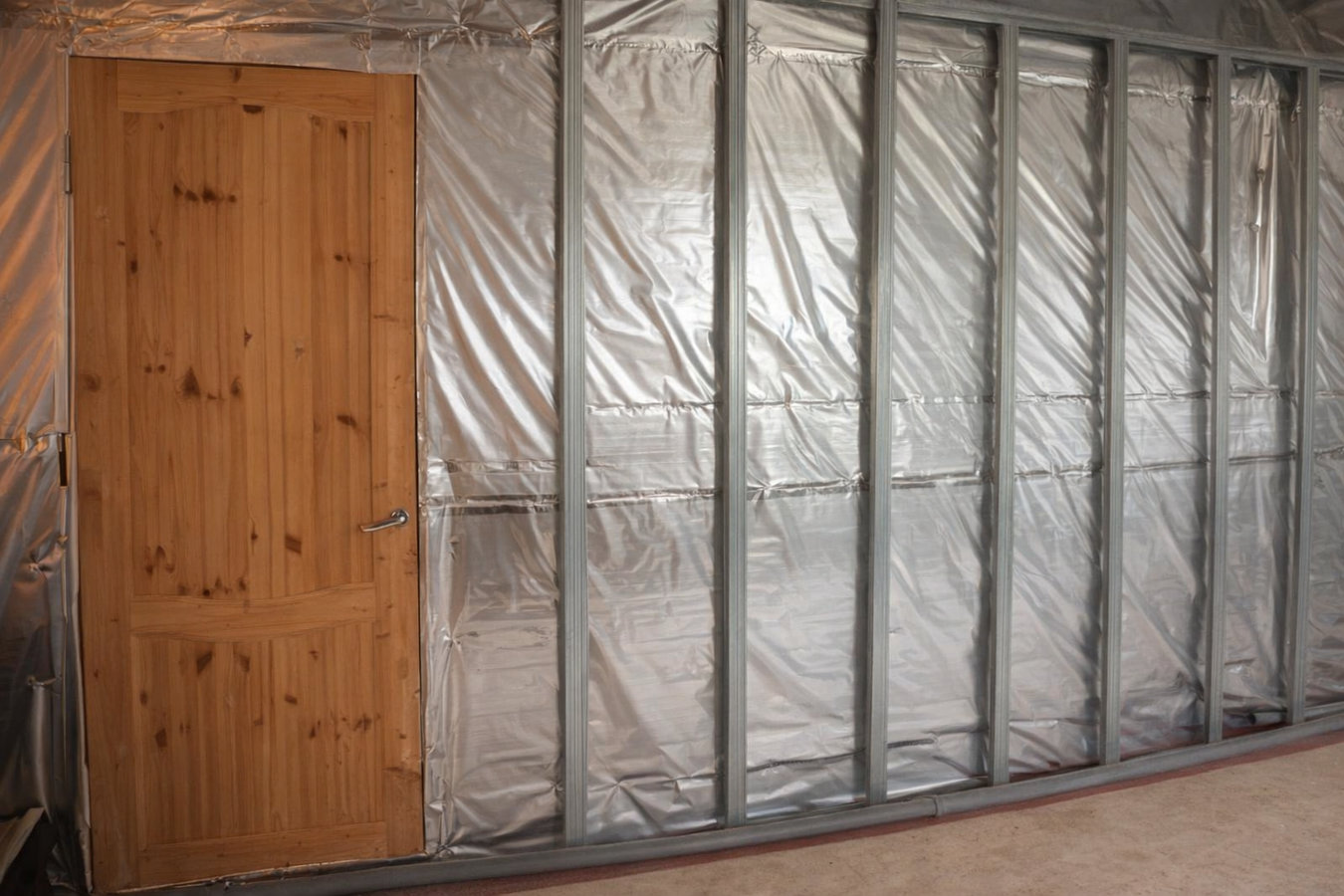
Ground moisture rising through your crawl space damages insulation, rots wood, and brings musty air into your home. Professional vapor barrier installation seals the problem before it gets expensive to fix.
Vapor barrier installation in Austin, MN means laying a heavy-duty plastic sheet across the ground of your crawl space or basement - blocking soil moisture from migrating up into your floor framing and insulation - with most jobs completed in one to two days and no disruption to your living space.
In Austin, the main threat is ground moisture that moves in cycles with the seasons. The ground freezes solid for months, then thaws quickly in late winter and releases a surge of moisture that has nowhere to go except upward. If your crawl space has a bare dirt floor - which is common in Austin homes built before the 1970s - that moisture migrates straight into your floor joists and insulation. Over time, you get wet insulation, wood rot, and the musty odor that spreads up through your floors and into your living area.
A vapor barrier is often the first recommendation when a homeowner calls about moisture. In many cases it is installed alongside crawl space vapor barrier work that covers both the floor and the foundation walls. Together, they create a complete moisture seal that protects your home through every season.
If your home develops a damp, earthy odor every March or April - right when the snow melts and the ground thaws - that is a strong sign that moisture is rising from the soil beneath your home. Austin's freeze-thaw cycle pushes a lot of ground moisture upward in a short window, and without a barrier to stop it, that moisture moves straight into your crawl space and up through your floors.
If certain spots on your first floor feel noticeably colder than others in January or February, or if you notice any give or softness when you walk across them, moisture damage to the floor framing below may already be underway. In older Austin homes without any crawl space protection, years of ground moisture can slowly weaken the wood joists that hold your floors up.
If you have ever looked into your crawl space and seen water droplets on pipes, wet insulation hanging down, or any standing water on the bare ground, a vapor barrier is overdue. These are signs that moisture levels under your home are high enough to cause real damage to insulation, wood, and mechanical systems over time.
When moisture soaks into the insulation under your floors, that insulation stops working the way it should. Wet insulation loses most of its ability to hold heat. If your heating costs have crept up without an obvious reason, damaged or saturated crawl space insulation caused by uncontrolled ground moisture may be part of the problem.
We install heavy-duty polyethylene sheeting across the full ground surface of your crawl space, with seams overlapped and taped and edges secured to the foundation walls. The material thickness we use is appropriate for Minnesota conditions - heavier than what you would need in a mild climate, because freeze-thaw cycles and occasional maintenance access require a barrier that holds up over time. We also offer attic air sealing for homeowners who want to address moisture and air infiltration at both the top and bottom of the building envelope at the same time.
Before the barrier goes in, we assess the space in person. If there is standing water, damaged insulation that needs to come out, or debris that would prevent a clean installation, we address that first. A vapor barrier installed over wet or contaminated material will not perform well and can trap problems rather than solve them. We tell you exactly what we find during the assessment and what the installation will involve before you commit to anything.
Best for homes with a dirt-floor crawl space where the primary moisture source is the soil - the most common type of vapor barrier installation in Austin.
Ideal when moisture enters along the foundation walls as well as through the ground - the sheeting runs up the walls and is fastened to prevent gaps at the edges.
Suited for homeowners ready to address both moisture and heat loss at the same time, combining a new vapor barrier with floor joist insulation in one visit.
Recommended when the crawl space has standing water, saturated insulation, or debris that needs to be cleared before a barrier can be properly installed.
Austin and Mower County sit on clay-heavy soil that holds water for a long time after rain or snowmelt. That slow drainage, combined with Austin's deep winter frost, creates a cycle where the ground beneath your home is alternately frozen solid and then saturated with thaw water. An unprotected crawl space is exposed to that pressure for months every year. Homes built in Austin's established neighborhoods before the 1970s - when moisture protection in crawl spaces was not standard - have been absorbing that pressure for decades without any barrier in place. The U.S. Environmental Protection Agency identifies moisture control as the most important factor in preventing mold - and vapor barriers are one of the primary tools for achieving that in crawl spaces.
Southern Minnesota summers add another layer to the problem. July and August bring genuinely humid air, and that humidity migrates into crawl spaces through vents and gaps. In a warm, humid summer, moisture can condense on cool surfaces under your home and begin the same slow process of damage that freeze-thaw cycles cause in winter. Homeowners in Owatonna, MN and Faribault, MN deal with the same combination of clay soils and seasonal humidity - the conditions that make vapor barriers a practical necessity rather than an optional upgrade in this part of Minnesota.
We ask a few basic questions about your home - crawl space or basement, any odors or dampness you have noticed, and when it started. We respond within one business day and can typically schedule an on-site visit within a week.
We inspect the crawl space in person - measuring the space, checking for existing moisture damage, and looking for debris or standing water. You get a written estimate before any work is scheduled, with the material thickness and scope of work clearly stated.
The crew lays the plastic sheeting across the entire ground surface, overlaps and tapes every seam, and secures the edges to the foundation walls. You do not need to vacate your home - the crew works entirely below the floor.
We check that everything is sealed properly, clean up the crawl space, and walk you through what was installed - either at the access point or with photos. All packaging and debris leaves with us.
We look at your crawl space, tell you exactly what we find, and give you a written quote - no obligation, no sales pitch.
(507) 509-6204You will always know the scope and cost before we begin. The estimate specifies what material we are using, how thick it is, and exactly what is included. No surprises when the job is done and no pressure to decide on the spot.
A vapor barrier with untaped seams is not much better than having no barrier at all - moisture finds every gap. We overlap every seam and seal it with tape, and we fasten the sheeting to the foundation walls rather than leaving the edges loose. That is how the installation actually holds up.
We inspect the crawl space, check the moisture conditions, and give you a written estimate before any work begins. You know the material, the scope, and the cost upfront.
We work in Austin and the surrounding area regularly, which means we know how clay-heavy Mower County soils behave and what moisture pressure looks like in the homes here. That local experience shapes how we assess each job - not just the general advice in a product manual.
When the work is done out of sight under your home, trust comes from transparency - a clear estimate upfront, a thorough installation, and documentation of what was done when the job is finished. That is the standard we hold ourselves to on every vapor barrier job in Austin and the communities around it.
Block air infiltration at the top of your home to complement the moisture control you have added at the bottom.
Learn MoreFocused crawl space protection for homes where ground moisture is the primary concern under the floor.
Learn MoreAustin's spring thaw is the hardest season on unprotected crawl spaces - get your moisture barrier in place before the ground starts releasing stored water.